The Facts
Ghosts and mysterious entities have appeared in human stories for centuries. Across cultures and generations, people have shared accounts of shadowy figures, unexplained sounds, apparitions, and strange experiences they believe may be connected to the dead or to something beyond ordinary understanding.
The idea of ghosts is deeply woven into folklore, religion, literature, and popular culture. In many traditions, spirits are believed to exist between life and death, sometimes remaining connected to the living world because of unfinished business, emotional attachment, tragedy, or unresolved circumstances.
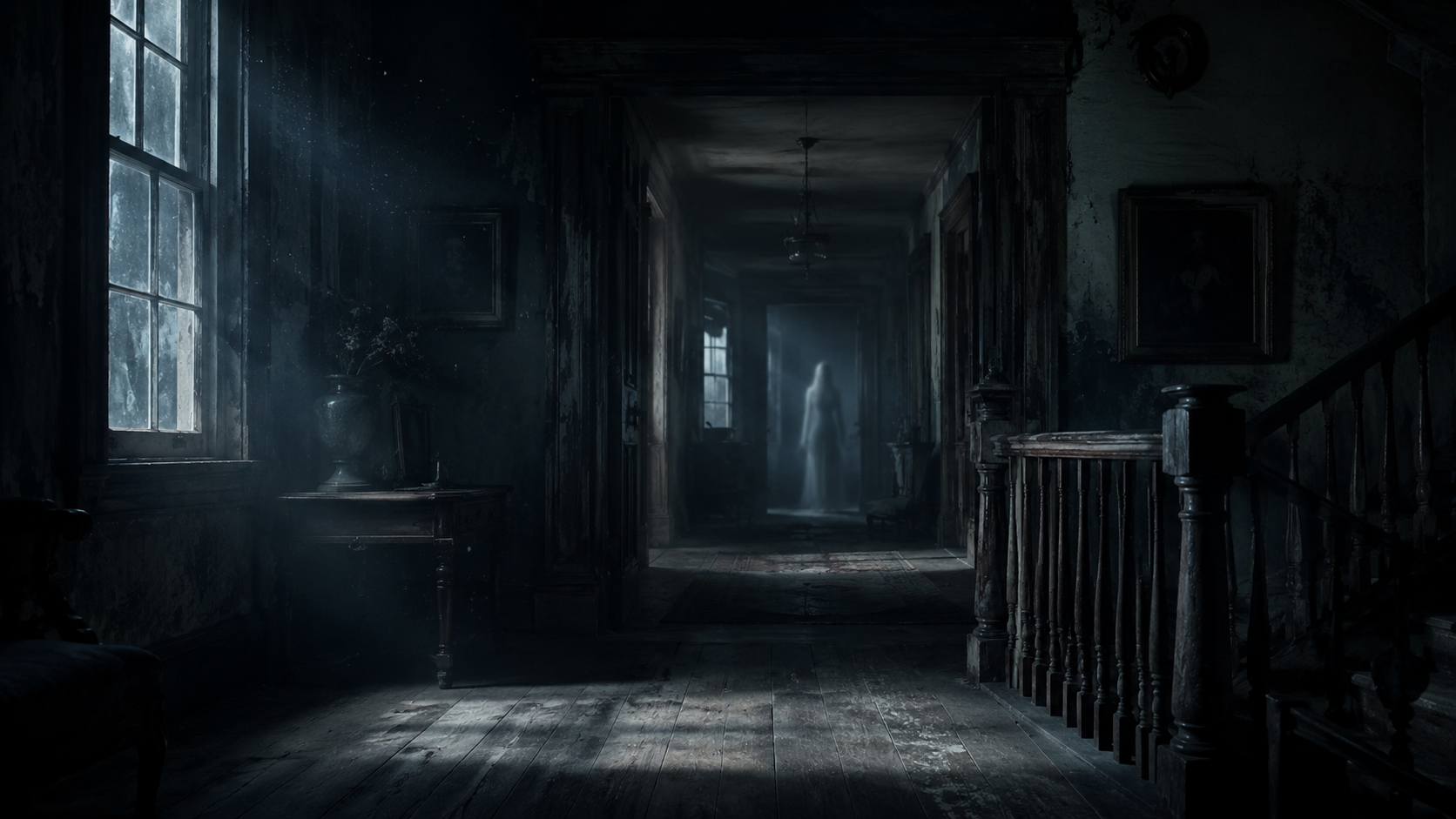
Reports of ghostly encounters vary widely. Some people describe seeing figures in abandoned buildings, hearing voices in empty rooms, or feeling sudden changes in temperature. Others report experiences in familiar places such as homes, workplaces, hotels, cemeteries, or historic buildings.
Skeptics often point to psychological factors, environmental conditions, sleep disruption, grief, suggestion, or fear as possible explanations. Others believe these encounters may offer a glimpse into an unknown reality that science has not fully explained.
The Rise of Paranormal Interest
Haunted locations continue to attract visitors, investigators, and curious spectators. Some paranormal investigators use cameras, audio recorders, electromagnetic field meters, and other tools in an effort to document unexplained activity.
For many, the appeal is not only about proving whether ghosts exist. It is also about the thrill of exploring the unknown, stepping into places with history, and asking questions about life, death, memory, and what may come after.
Television programs, social media videos, online forums, podcasts, and livestreams have also helped keep ghost stories alive. Claims of strange voices, unexplained shadows, or unusual images continue to fuel public debate.
While some recordings are later explained as lighting tricks, background noise, editing, or misinterpretation, others remain part of the larger mystery that keeps people interested.
Our Perspective
Ghost stories continue to fascinate because they speak to something deeply human: the desire to understand what happens after death.
Whether a person believes in ghosts or not, the stories themselves reveal a great deal about fear, grief, memory, and imagination. A haunted house is rarely just a haunted house. It is often connected to history, tragedy, rumor, or the emotional weight people attach to a place.
The supernatural also gives people a way to talk about things that are difficult to explain. A strange sound in an old building, a feeling of being watched, or a familiar presence after the loss of a loved one can become part of a larger personal or cultural story.
At the same time, curiosity should be balanced with responsibility. Not every strange event is paranormal, and not every claim should be accepted without question. Respect for history, property, grieving families, and local communities should always come before entertainment.
Why It Matters
Ghost stories remain popular because they sit at the intersection of culture, belief, entertainment, and mystery. They are shared around campfires, retold in families, explored in documentaries, and debated online.
They also remind us that people are drawn to the unknown. Even in a world filled with technology and information, there are still questions that remain unanswered.
The popularity of paranormal content shows that audiences are not only looking for fear. They are looking for wonder, suspense, meaning, and the possibility that reality may be larger than what can be seen.
The Takeaway
Whether approached with skepticism, curiosity, belief, or caution, ghosts continue to hold a powerful place in human imagination.
They challenge people to think about death, memory, history, and the limits of what we understand. Some may see ghost stories as entertainment. Others may see them as evidence of something beyond the physical world.
Either way, the fascination remains.
The mystery of ghosts is not only about whether they exist. It is also about why people continue to look for them.