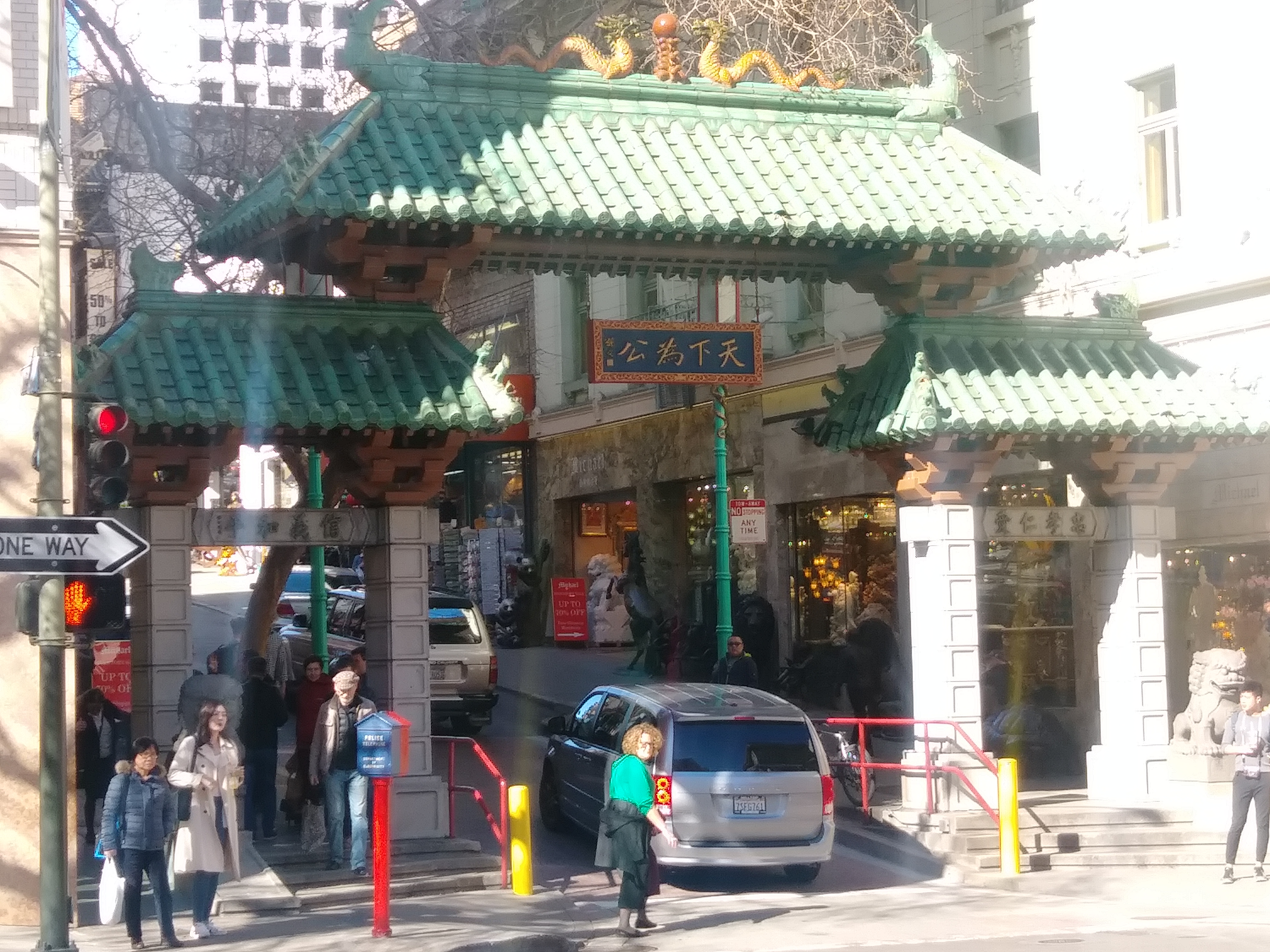
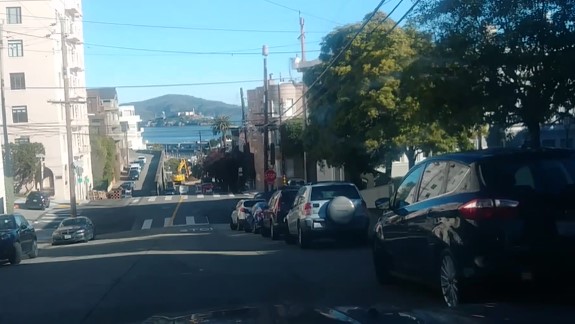
San Francisco has long stood as one of the most recognizable cities in the United States, known for its sweeping coastal views, historic landmarks, and its central role in shaping the modern technology industry. From the Golden Gate Bridge to Silicon Valley’s global influence, the city has built a reputation as a place where ideas turn into industries and ambition turns into opportunity.
But today, San Francisco represents something more complex than its image suggests.
It is a city defined not only by innovation, but by contrast. The same environment that helped launch some of the world’s most influential companies has also contributed to rising costs of living, shifting communities, and visible social challenges. Wealth and struggle exist side by side, often within the same neighborhoods, creating a landscape that is as layered as it is iconic.
Over the past two decades, San Francisco has been at the center of a technological transformation that reshaped how people communicate, work, and live. Startups became global corporations, and the city became a symbol of what the digital age could achieve. Yet that growth has come with consequences. As demand increased and industries expanded, housing prices surged, long-standing communities were displaced, and the balance between opportunity and accessibility became harder to maintain.
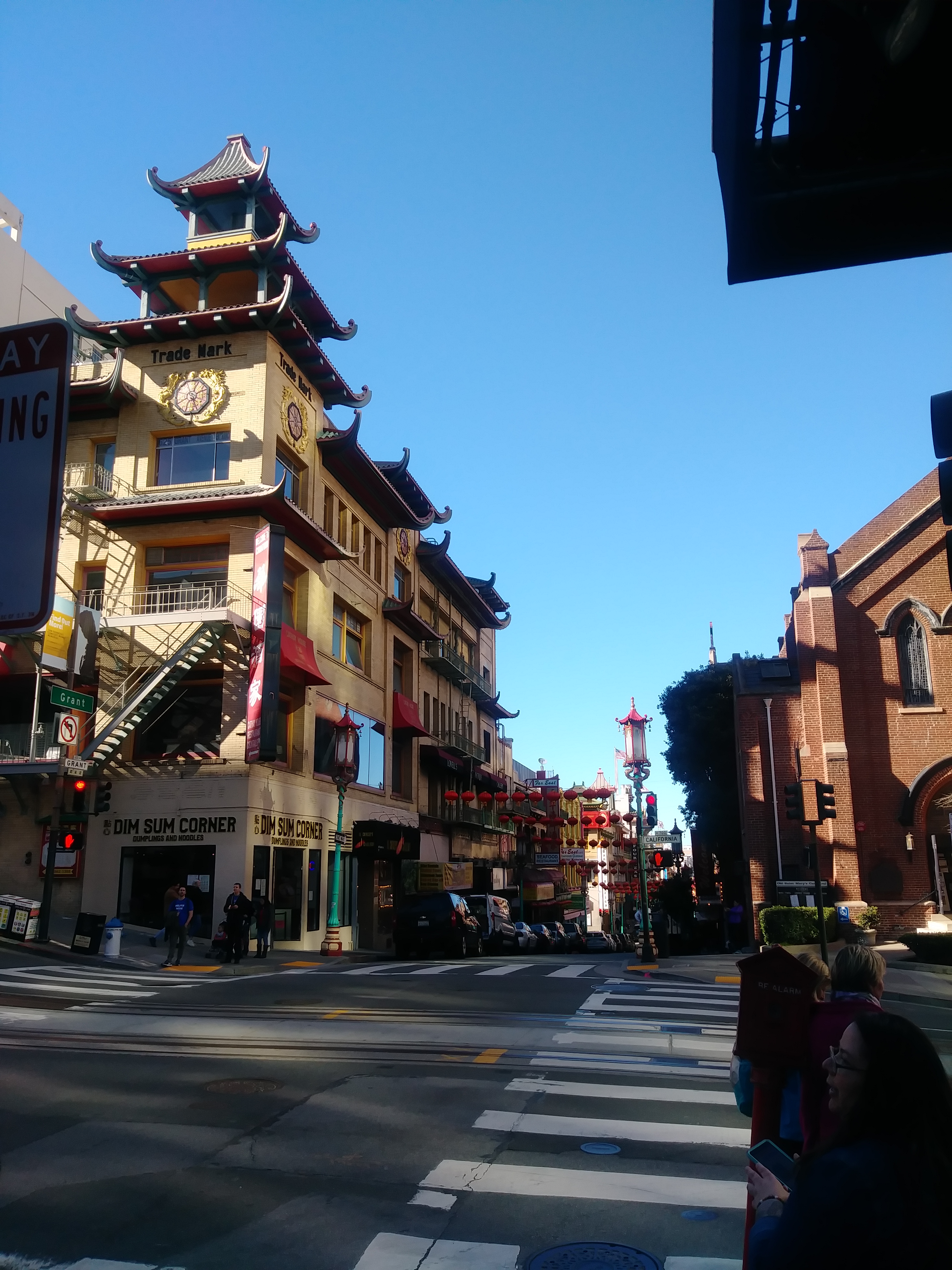
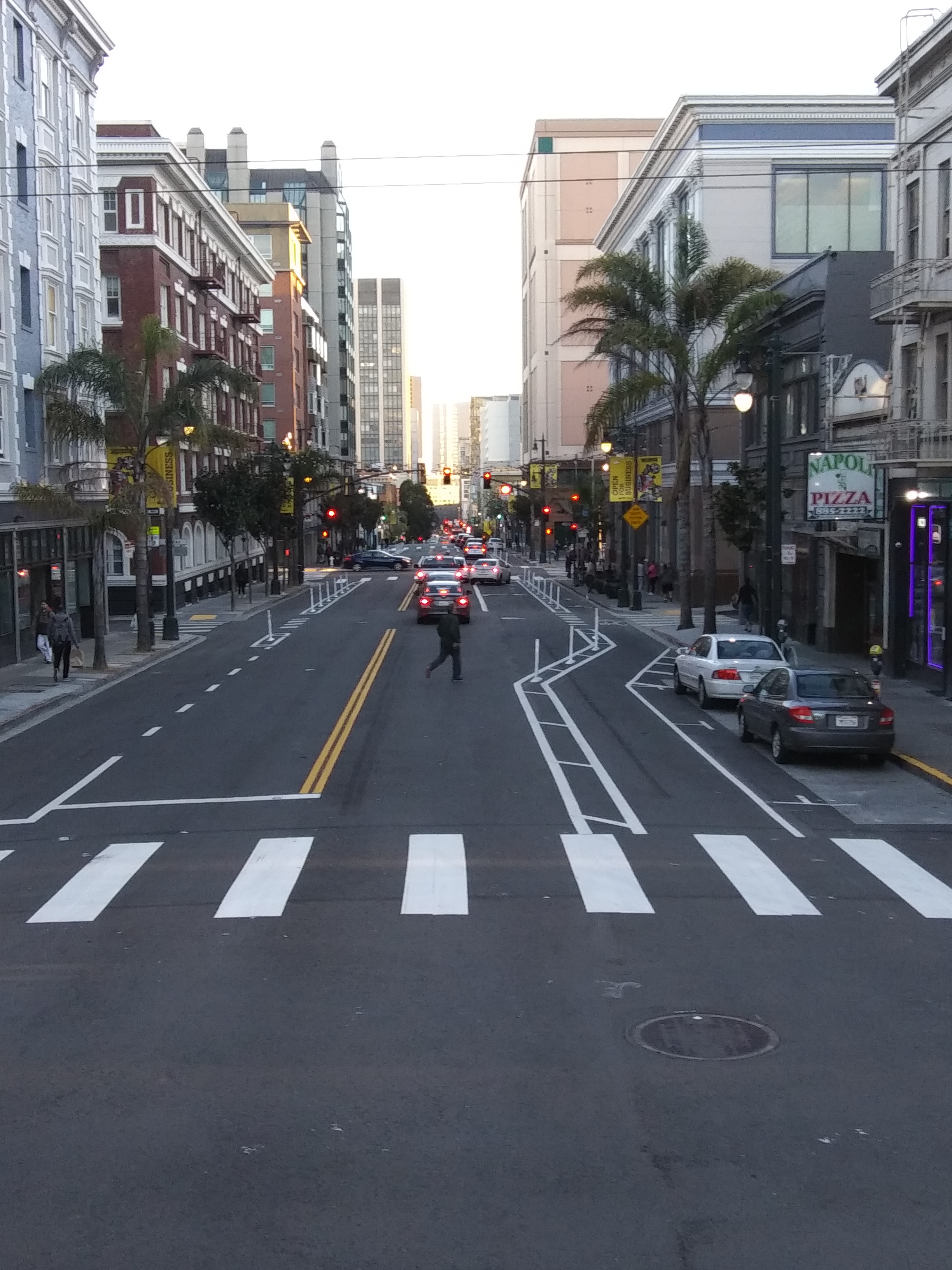
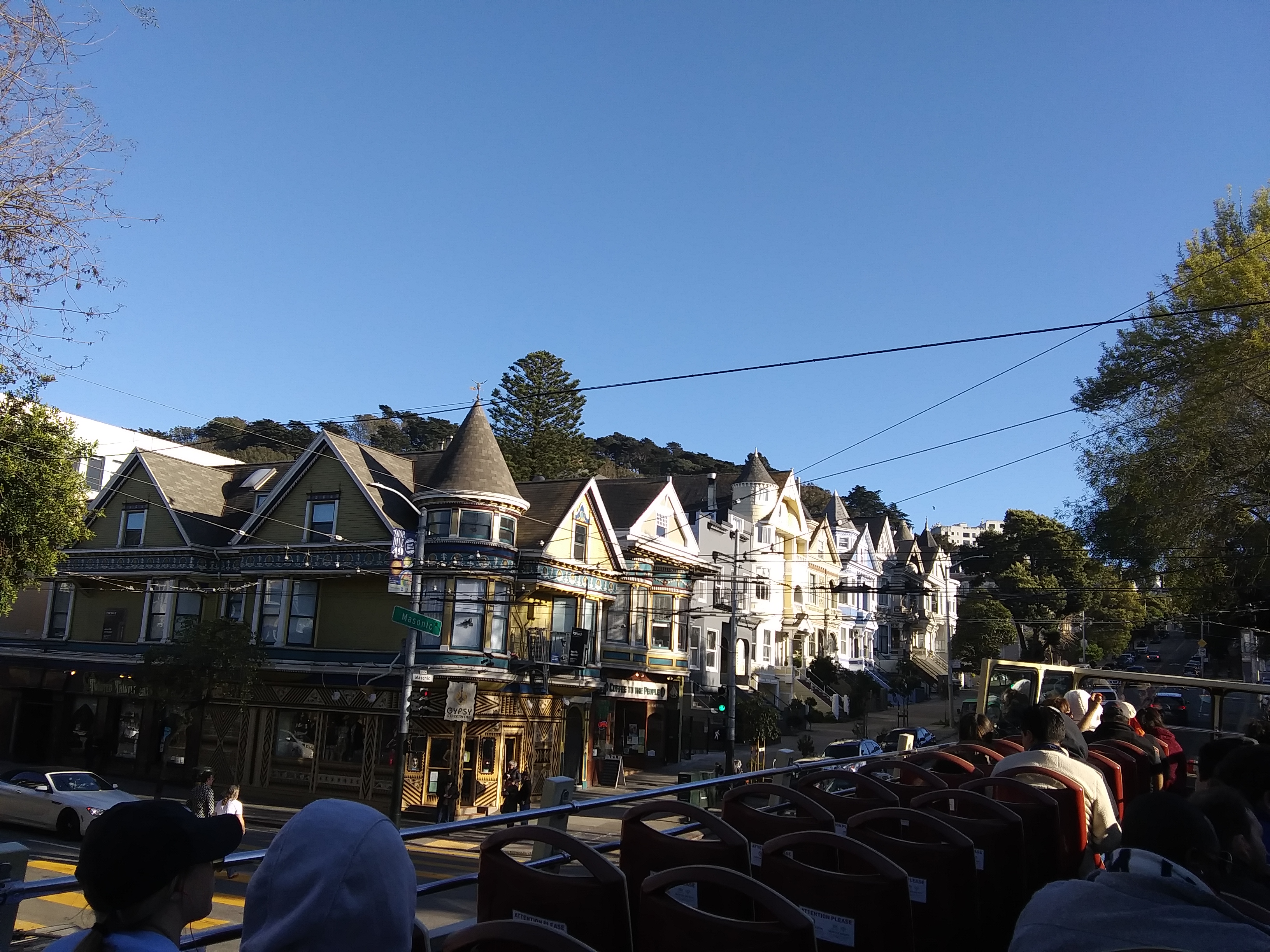
Walking through San Francisco today, those contrasts are difficult to ignore. Modern office spaces and high-end developments sit alongside older neighborhoods that carry decades of cultural history. Innovation continues to drive the city forward, but it does not erase the challenges that have emerged alongside it.
Still, the city remains a place of influence. Its culture, diversity, and role in shaping global trends continue to draw people from around the world. Whether through technology, art, or entrepreneurship, San Francisco continues to play a role in defining what comes next.
What makes the city compelling is not just what it has achieved, but what it represents. It is a reflection of a broader shift happening across society—where rapid advancement, economic pressure, and social change intersect in real time. In that sense, San Francisco is not just a destination; it is a case study in what happens when growth moves faster than the systems designed to support it.
The future of San Francisco remains uncertain, but its importance is not. As the city continues to evolve, it offers a glimpse into both the potential and the challenges of modern urban life. It shows what is possible, but also what must be considered when progress reshapes the environments people call home.
In many ways, San Francisco is still writing its story. And like the technologies it helped bring into the world, that story is still unfolding.