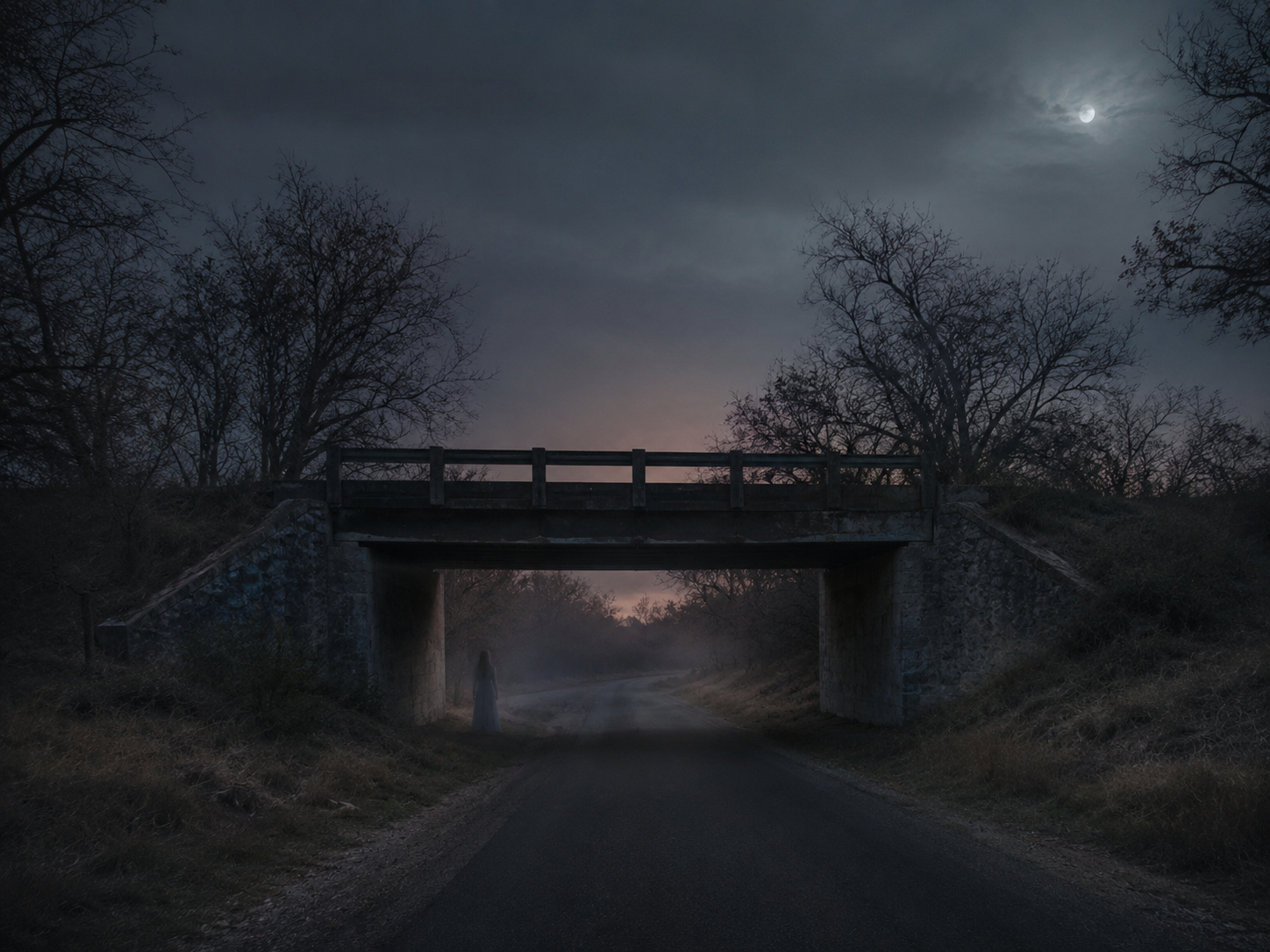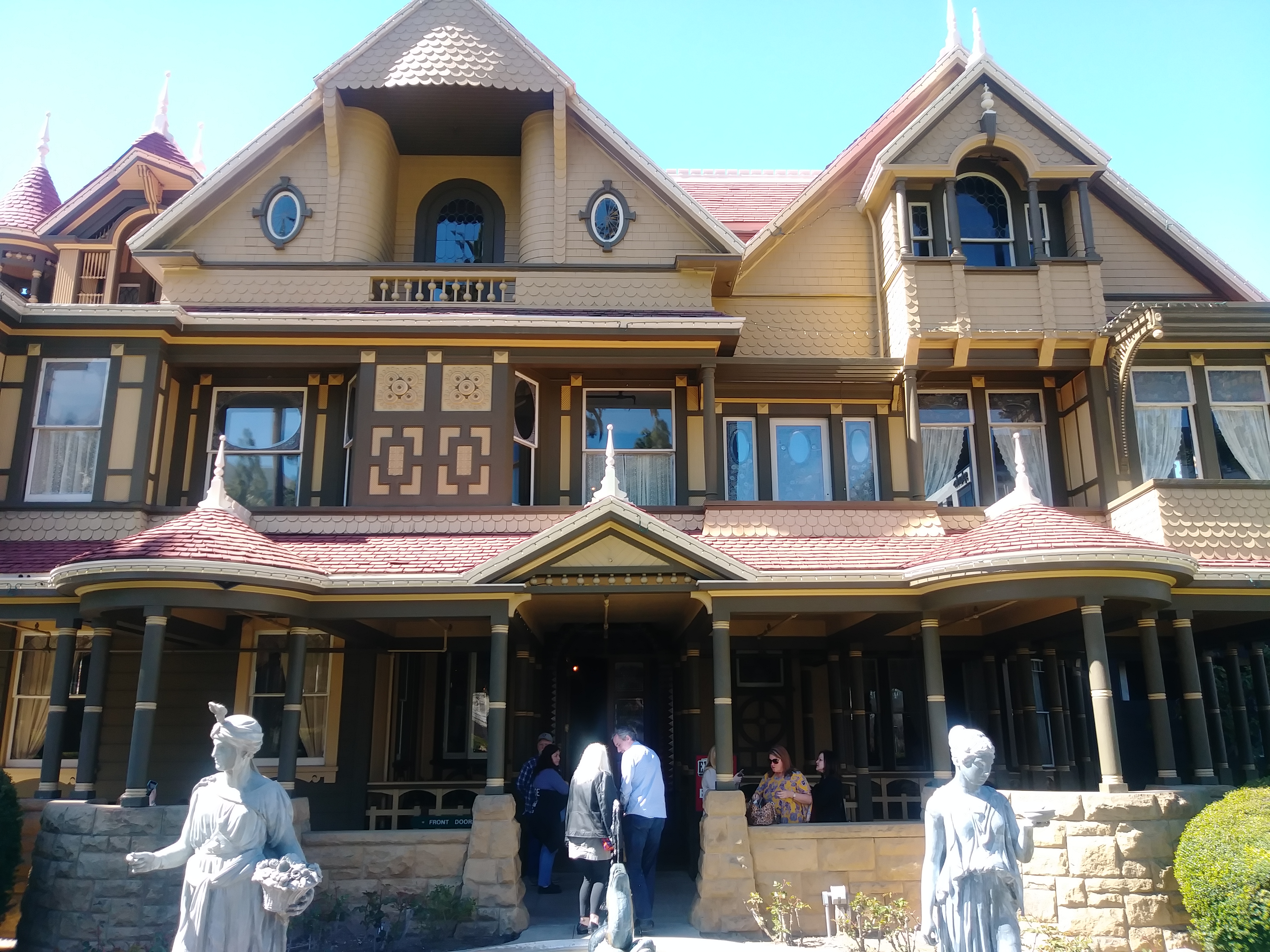
The Winchester House, built in 1884, has long been known as one of the most unusual and mysterious homes in the United States. For years, construction on the house never stopped; work continued day and night, shaping it into a structure that seemed to constantly change. Inside, the design feels just as unpredictable, with strange architectural choices and repeated appearances of the number 13 woven throughout the home.
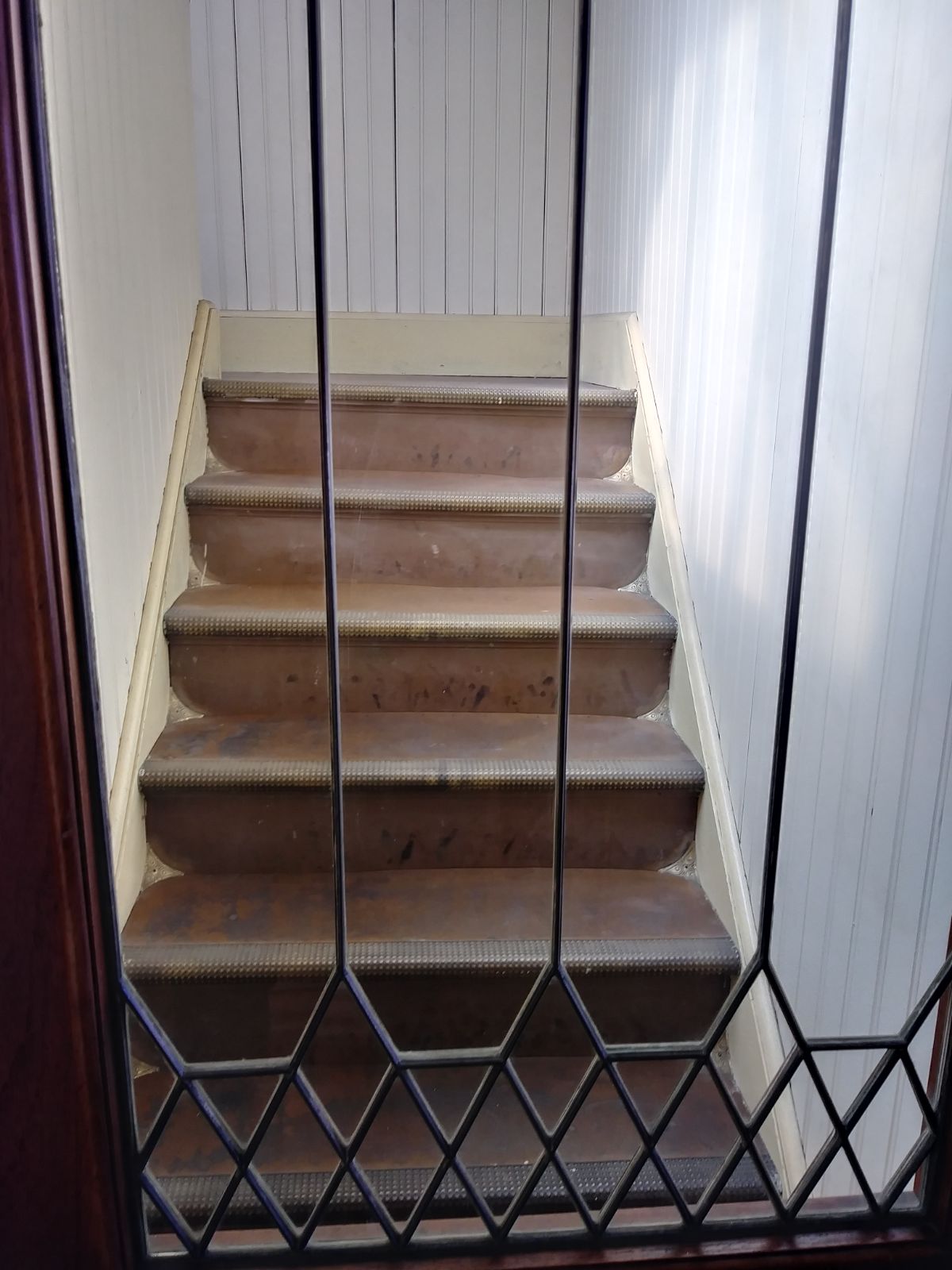
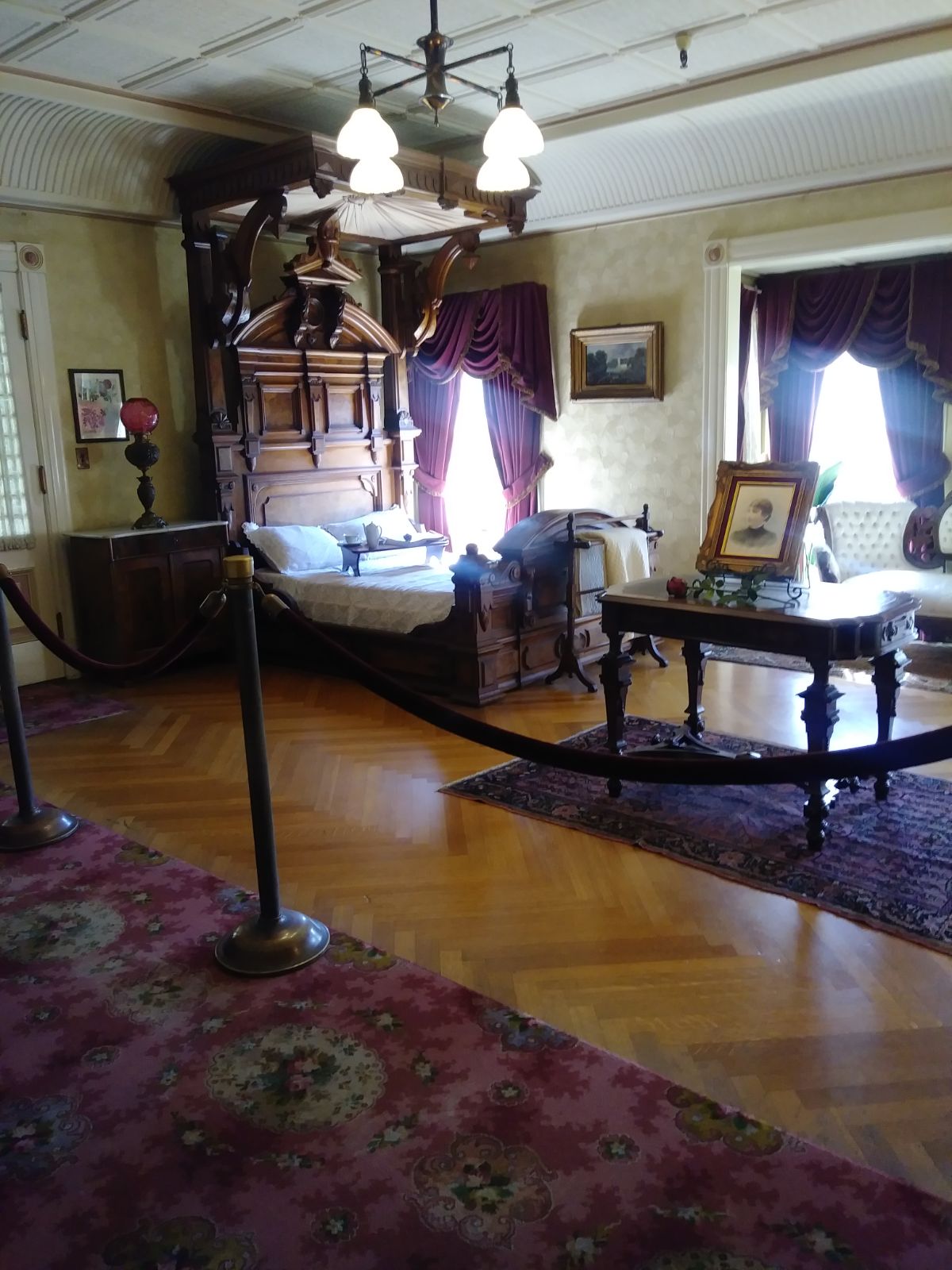
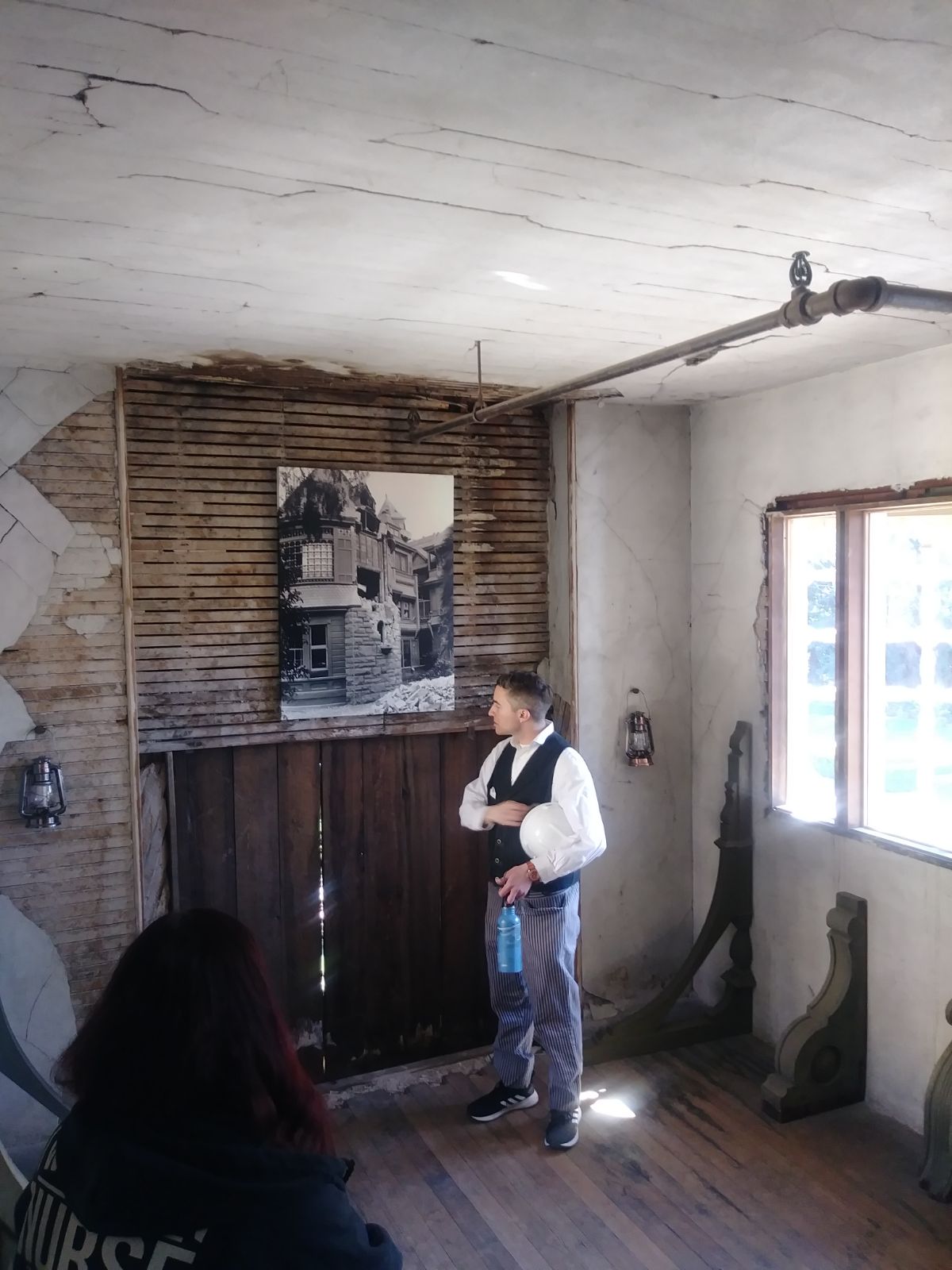
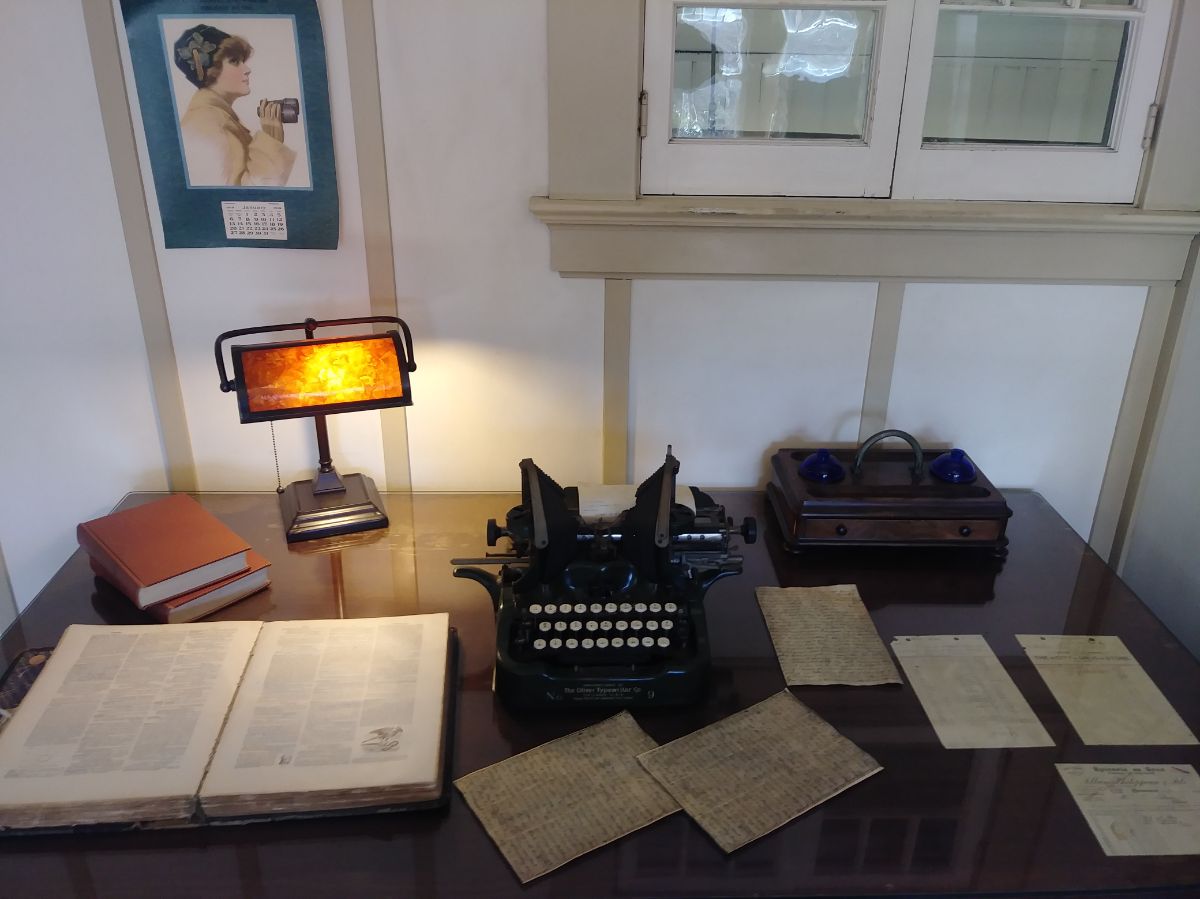
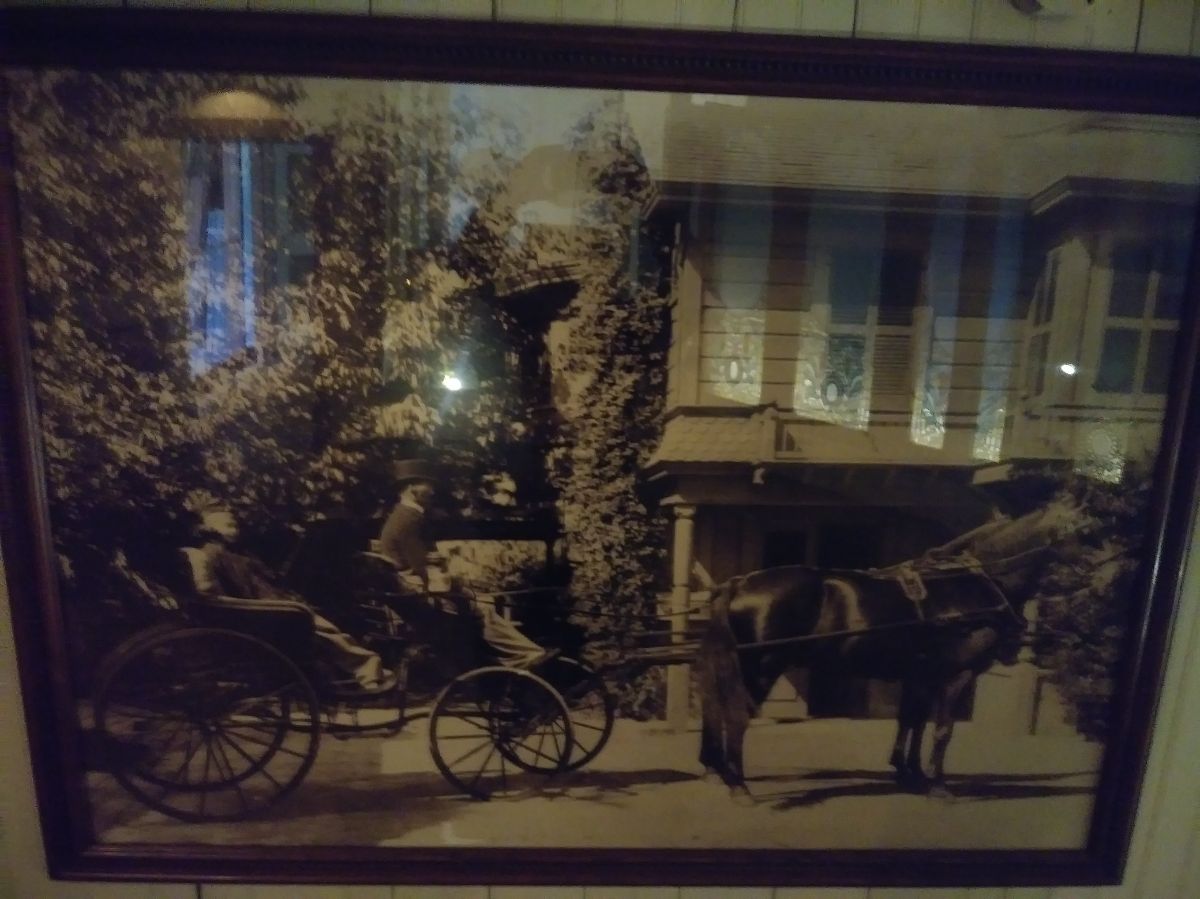
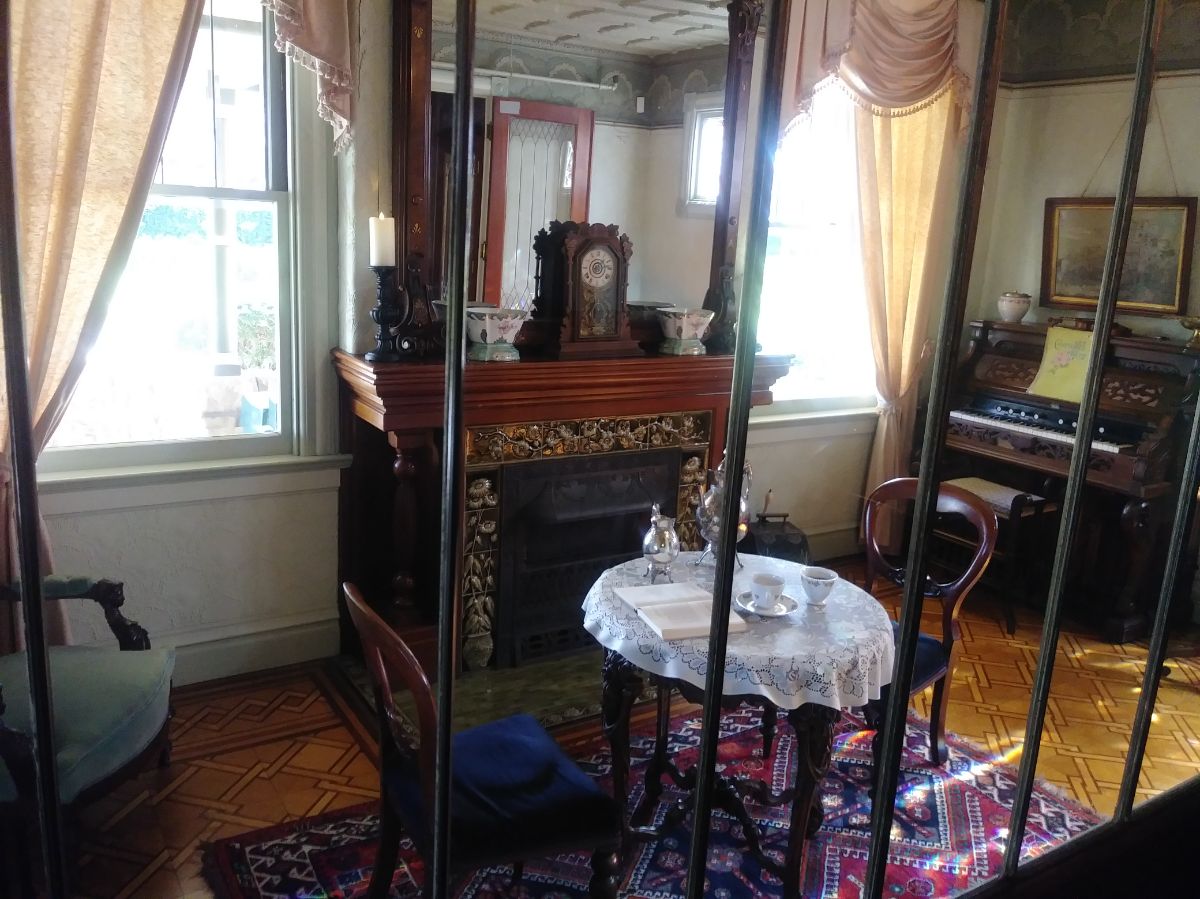
At one point, the house was believed to have as many as 500 to 600 rooms and stood as high as seven stories. After the 1906 earthquake caused significant damage, it was reduced to four. What remains today is still massive, complex, and unlike anything else, largely shaped by one person, Sarah Winchester.
Sarah was known to be intelligent, independent, and well-educated. She spoke multiple languages and carried herself with a quiet strength. She was married to William Wirt Winchester, whose family built the Winchester Repeating Arms Company. But her life was marked by loss. Their only child, Annie, died at a young age, and not long after, William passed away as well. Sarah lived for many years after, continuing the work on the house until she died in 1922.
It’s during those years that the story of the house takes a turn.
Many believe Sarah was haunted, not just by grief, but by something more. Stories have been passed down claiming she consulted with mediums, who told her she was being followed by the spirits of those killed by the Winchester rifle. According to these accounts, she was advised to keep building the house as a way to confuse or contain these spirits. Whether that belief came from fear, faith, or something she truly experienced, the construction never stopped.
Over time, the house became known for more than just its size and design. People began sharing experiences, hearing footsteps in empty hallways, doors moving on their own, and objects shifting without explanation. Some visitors have claimed to see figures appear briefly, only to vanish just as quickly. Others describe a feeling that they’re not alone, even in quiet parts of the house.
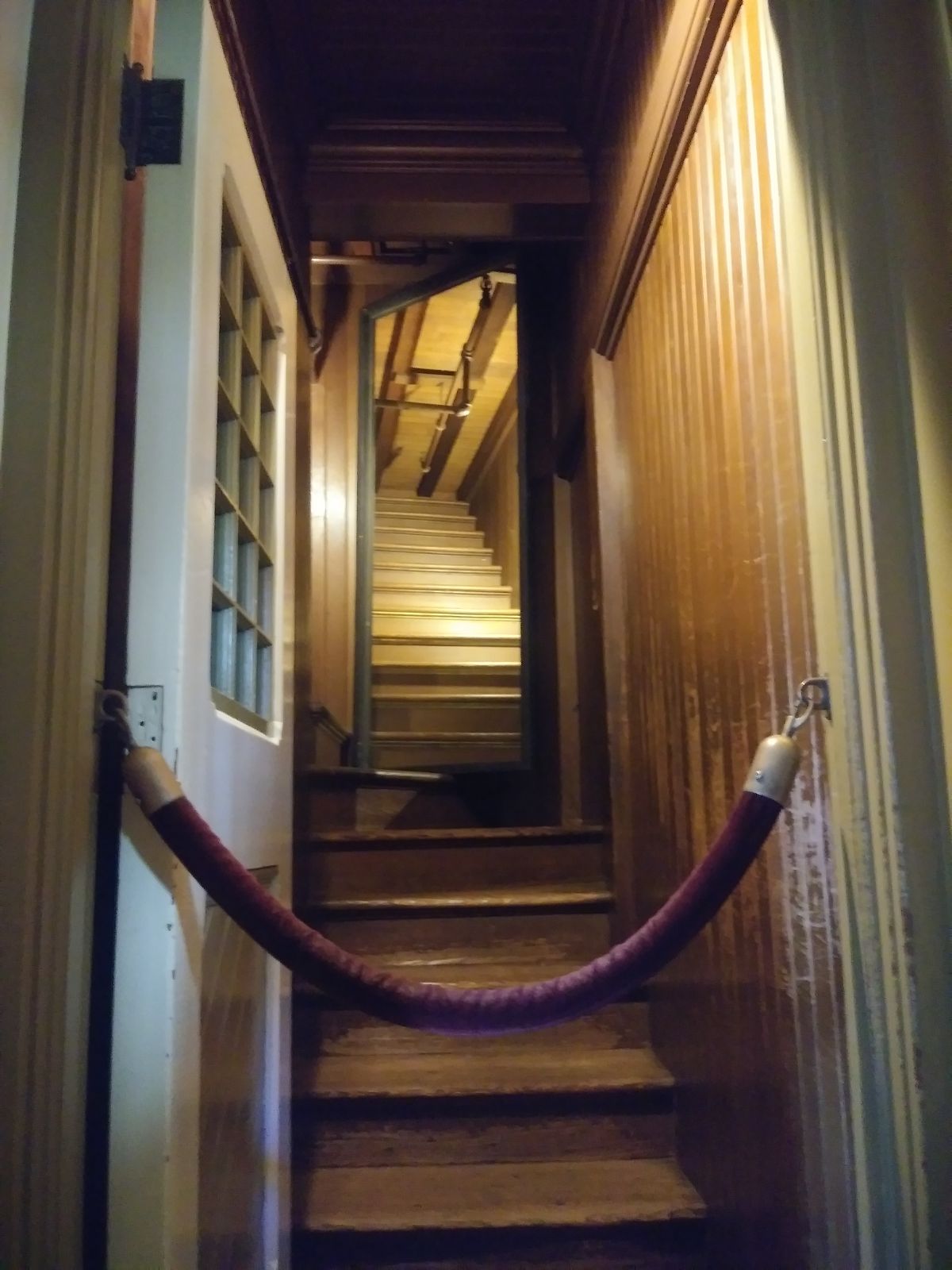
The layout only adds to that feeling. Some staircases lead nowhere, doors that open into walls, and rooms that don’t seem to serve a clear purpose. Some see it as the result of constant building without a fixed plan. Others believe it was intentional—designed to confuse whatever might have been moving through the house unseen.
During our visit, we had the opportunity to walk through sections of the house and speak with staff members who have spent time working within it. While their perspectives varied, there was a shared understanding that the house carries a presence that is difficult to put into words. Some described moments that felt unusual, while others remained more reserved, leaving room for interpretation.
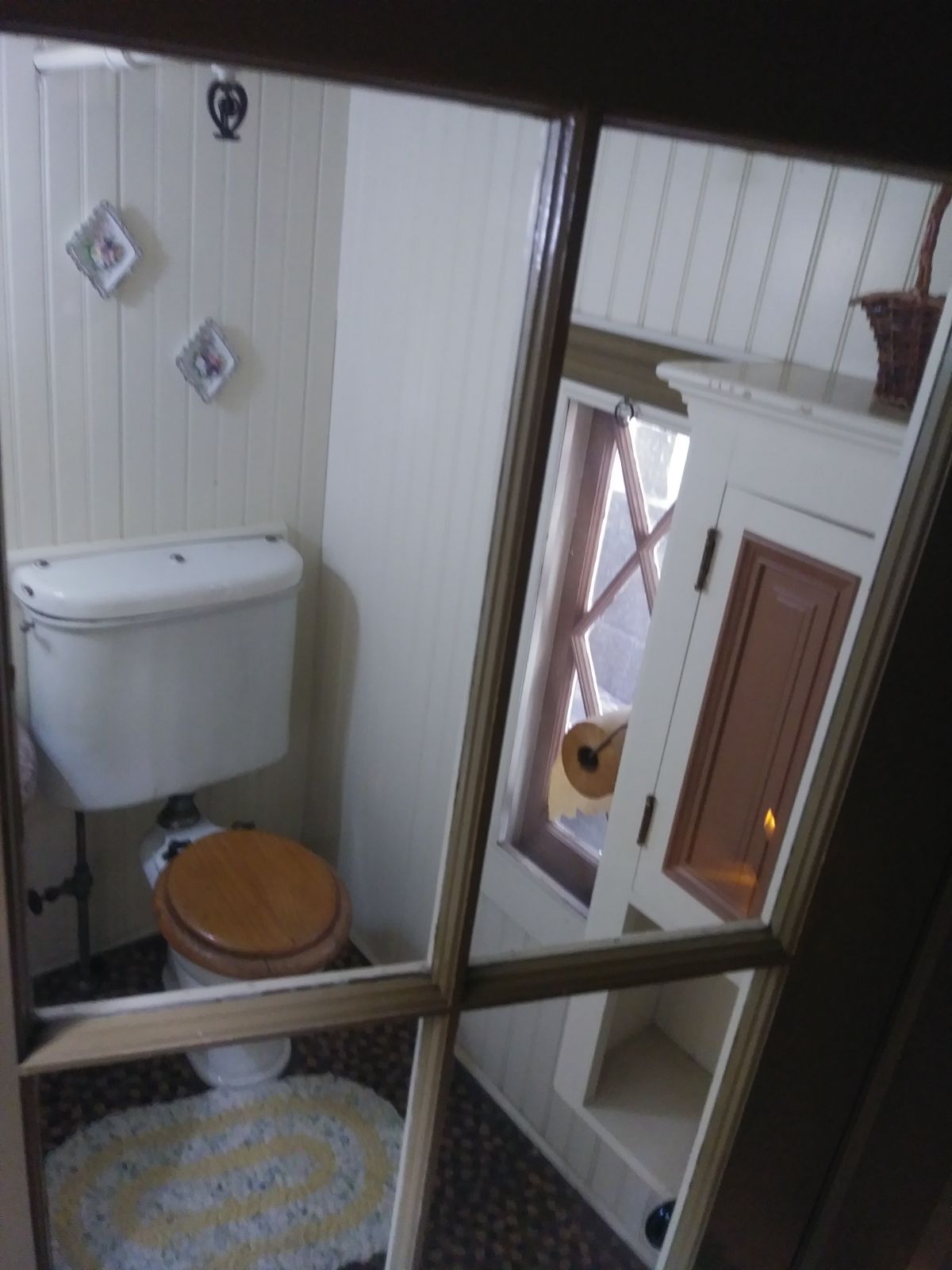
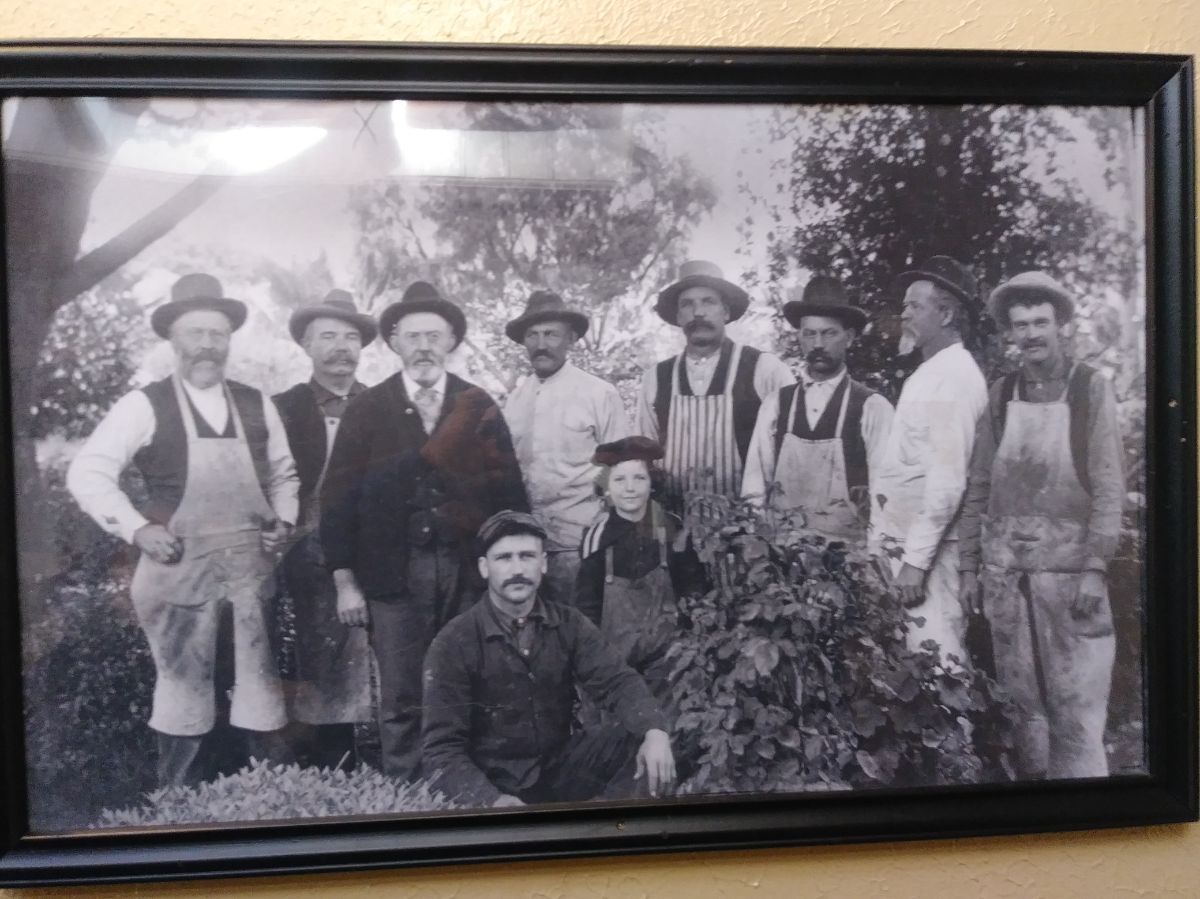
As we explored, we also captured several photographs throughout the property. After reviewing them, a few stood out, images that neither the staff nor we could clearly explain. Whether it was lighting, timing, or something else entirely, we chose not to conclude. Instead, we leave that to those who view them.
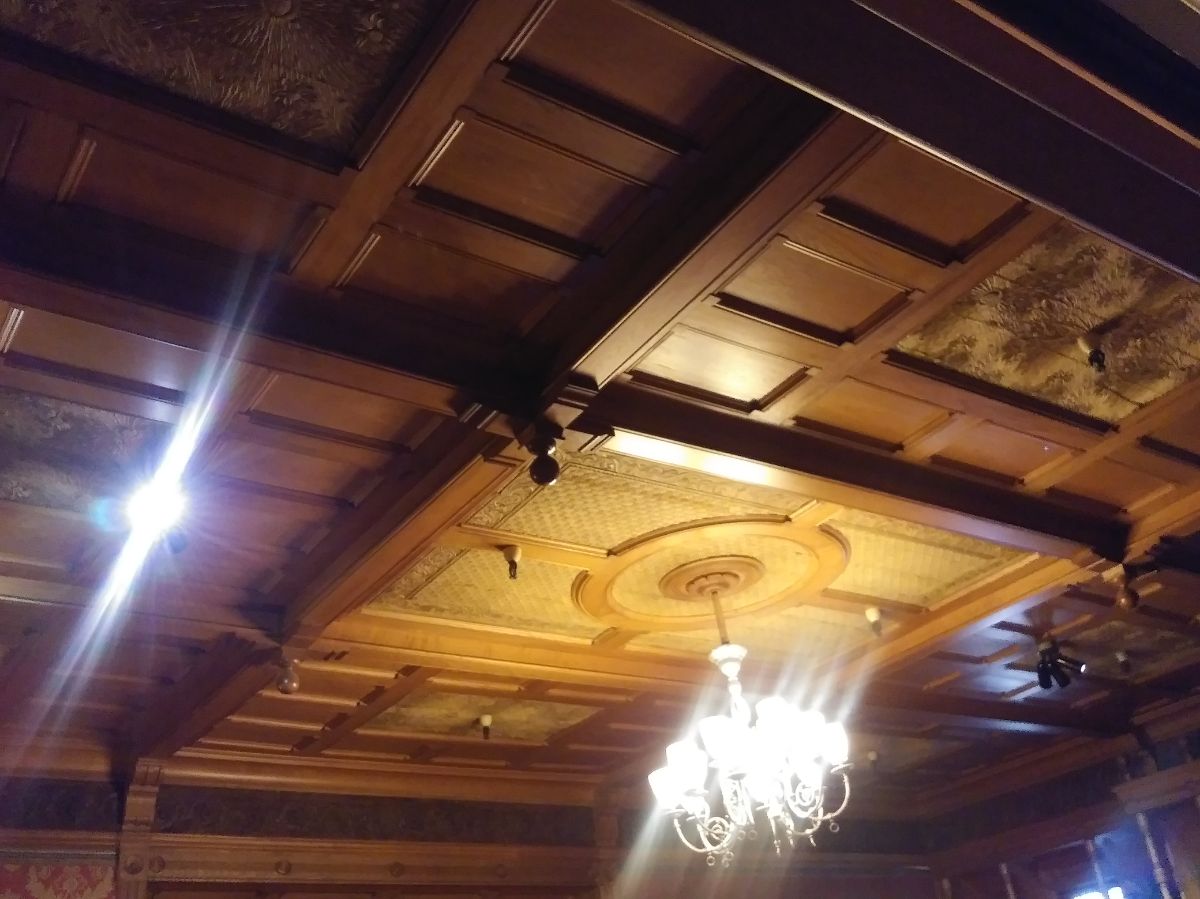
Today, the Winchester House is open for tours, allowing visitors to walk through parts of the property and experience it for themselves. Not every area is accessible, but even what can be explored gives a clear sense of how unusual the house really is. The detailed woodwork, stained glass, and maze-like design create an experience that stays with people long after they leave.
Some see it as a piece of history. Others see it as something far more mysterious. But no matter how it’s viewed, the Winchester House has a presence that’s hard to ignore. And maybe that’s what keeps people coming back, not just to see it, but to feel it for themselves, and to decide, in their own way, what they believe.