
The Facts
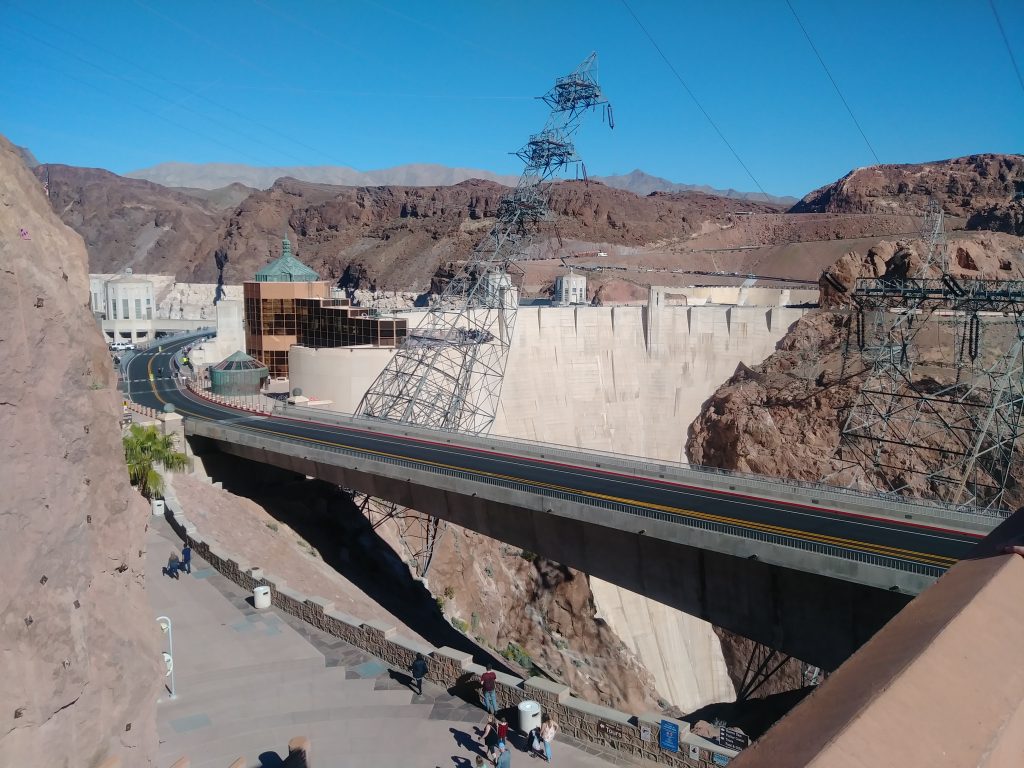
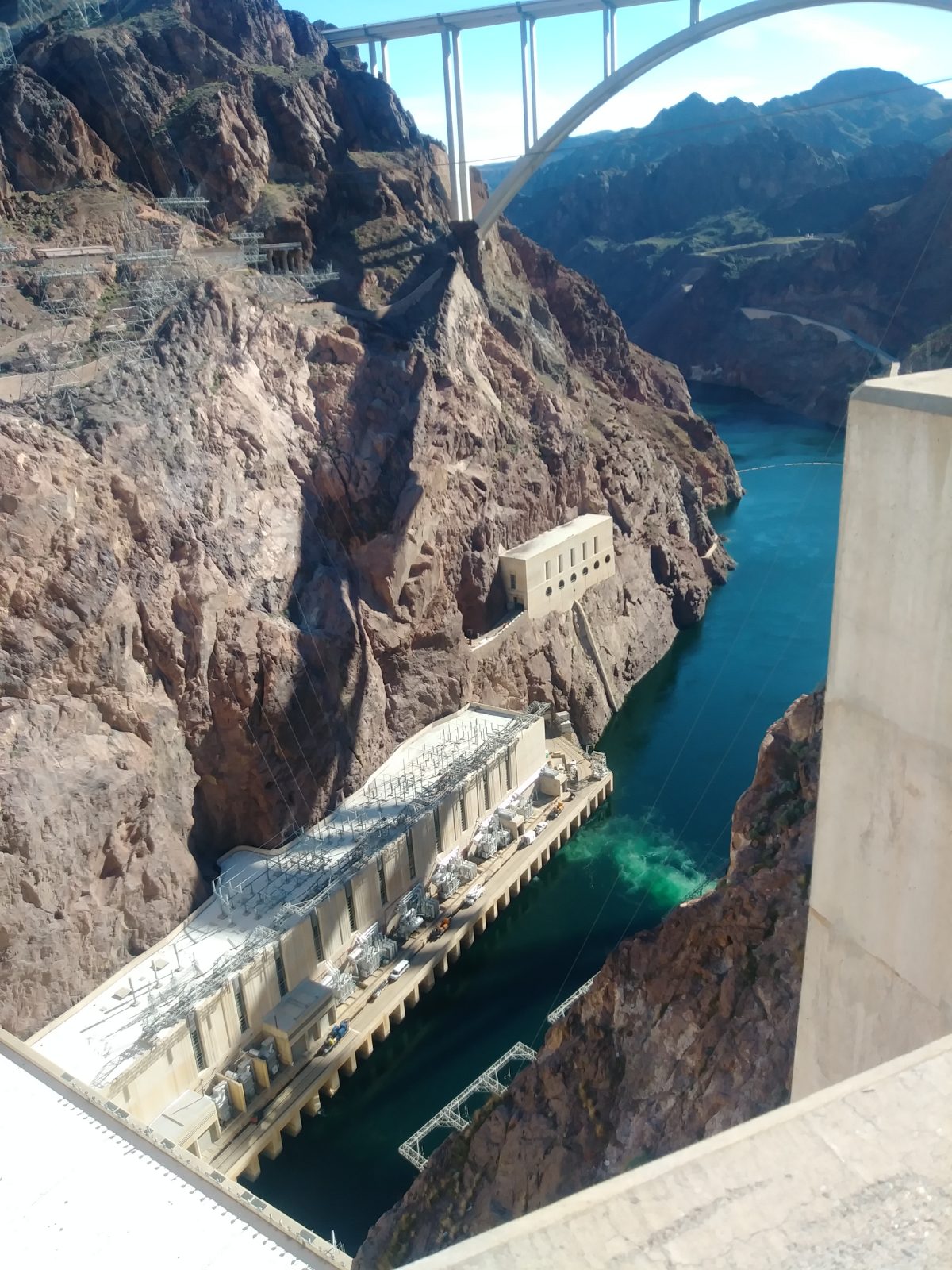
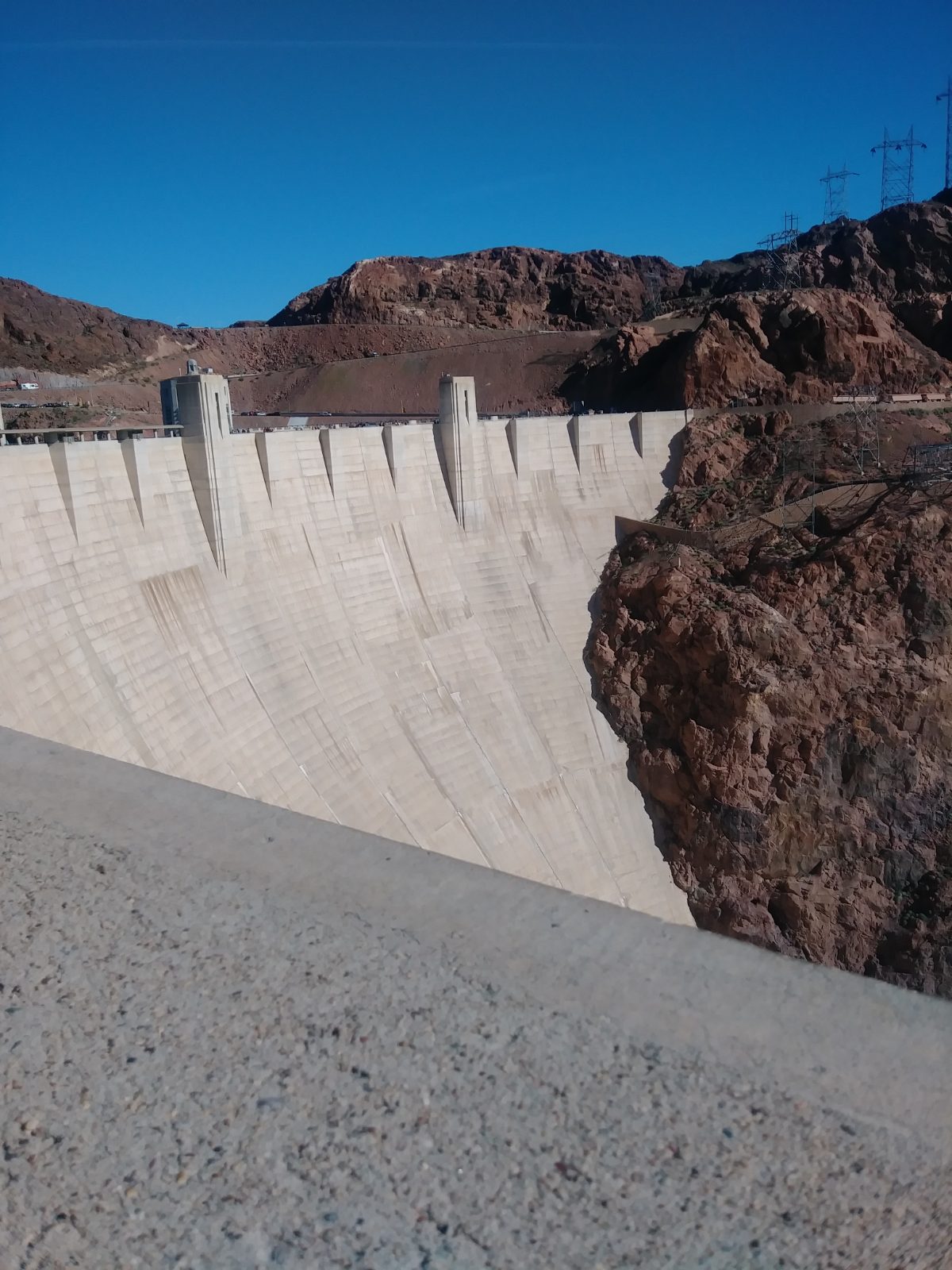
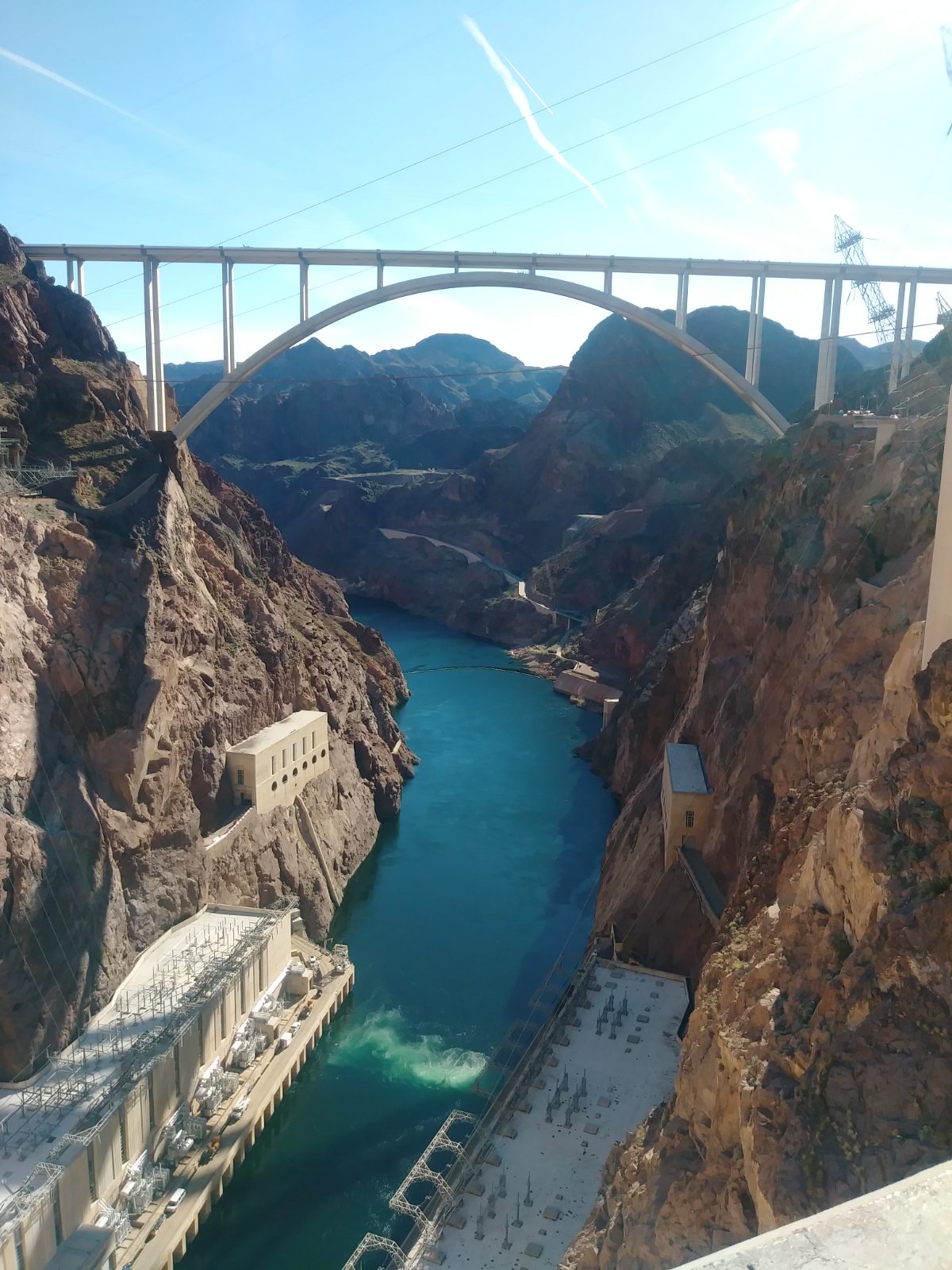
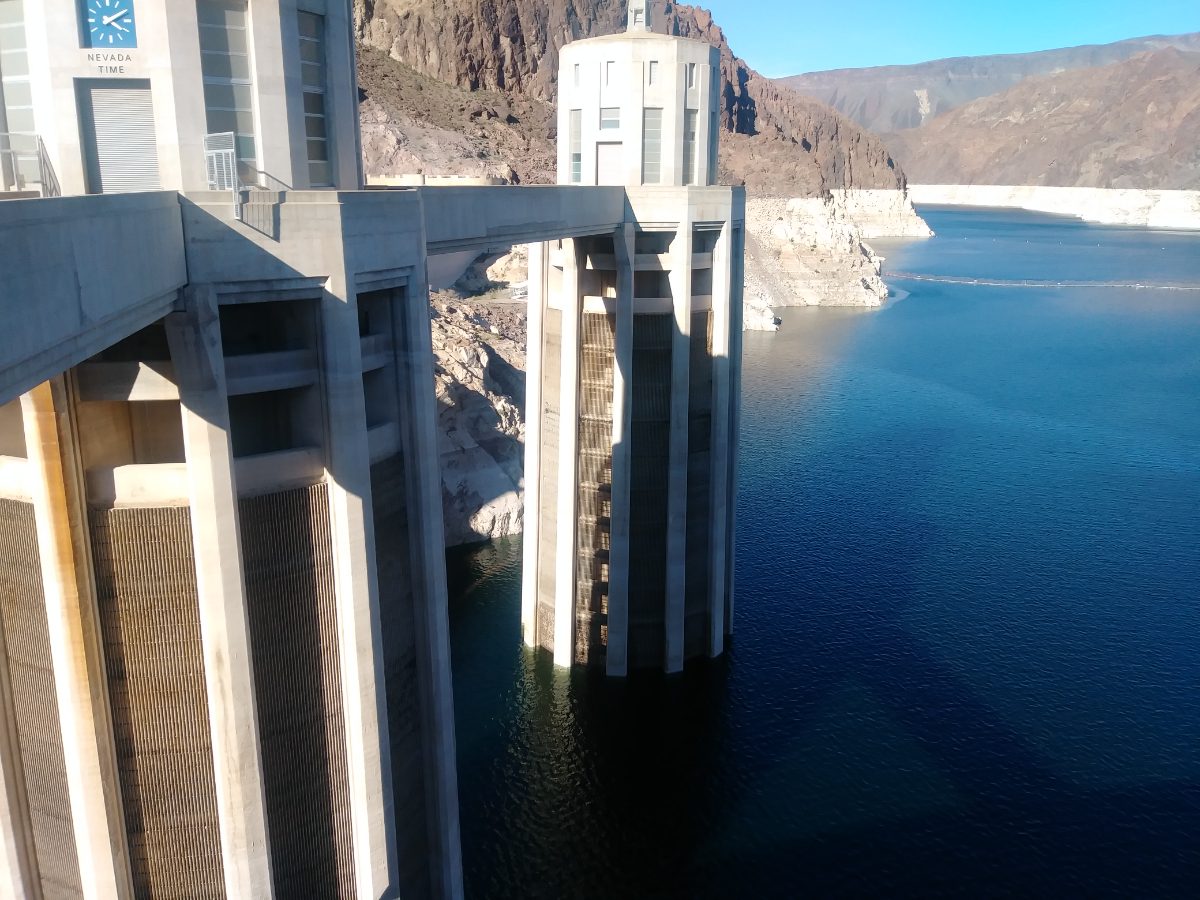
Amid the rugged desert landscape along the Nevada-Arizona border stands Hoover Dam, one of the most recognized engineering landmarks in the United States. Built in Black Canyon on the Colorado River, the dam remains a symbol of American ambition, infrastructure, and the determination to reshape a difficult landscape for water storage, flood control, irrigation, and hydroelectric power (Encyclopaedia Britannica, 2026).
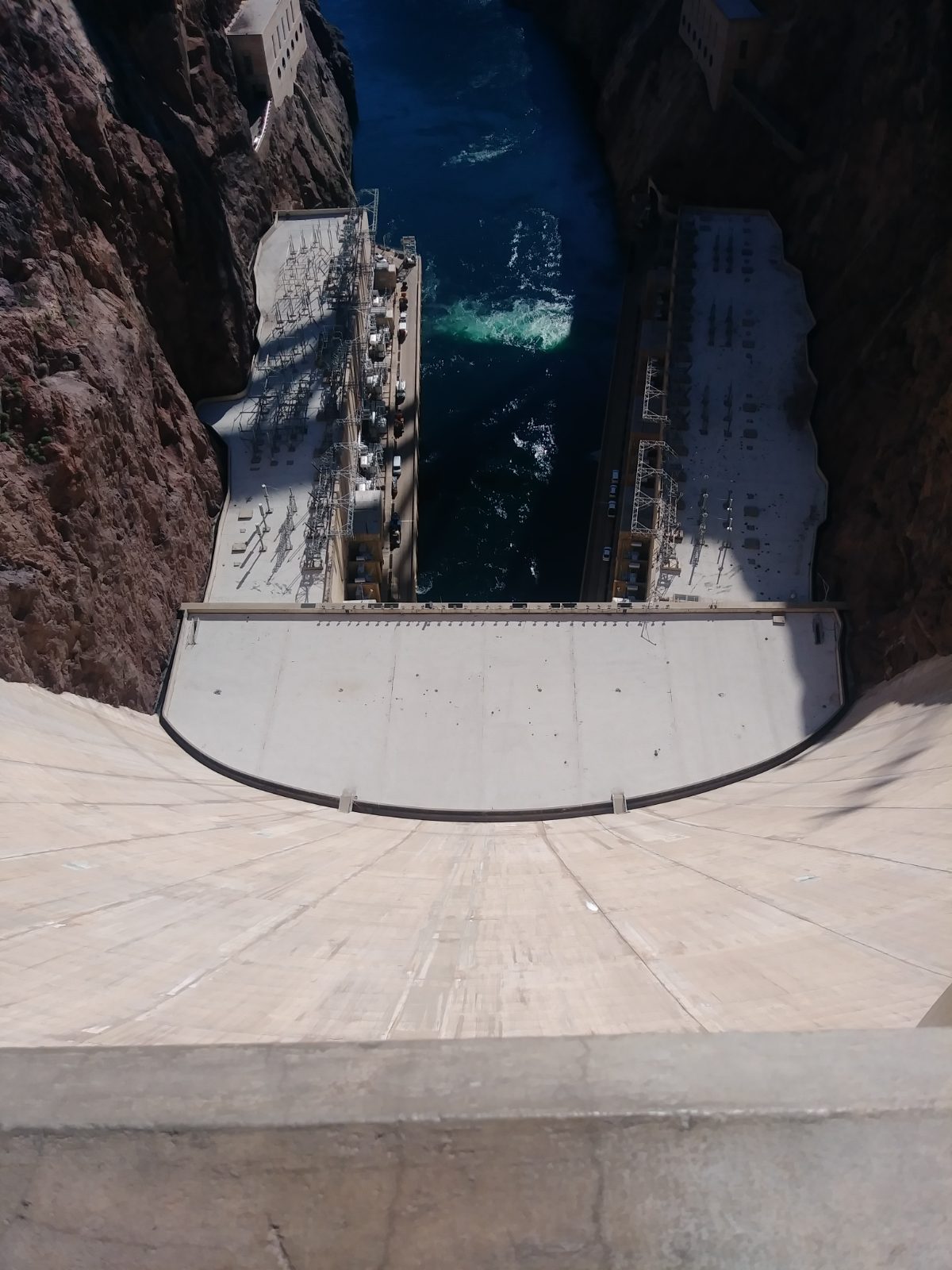
Construction on the Hoover Dam took place during the Great Depression, a period when many Americans were searching for steady work. The project employed thousands of workers and became one of the most significant public works efforts of its time. Hoover Dam was constructed between 1930 and 1936 and remains the highest concrete arch-gravity dam in the United States (Encyclopaedia Britannica, 2026). The dam stands 726 feet high and stretches 1,244 feet across the Colorado River. It contains about 4.4 million cubic yards of concrete, making it one of the most impressive concrete structures of its era (Encyclopaedia Britannica, 2026).
Boulder City and the Workers
To support the large workforce needed for the project, Boulder City was established in 1931 by the federal government as a residential community for workers employed at Hoover Dam and nearby construction projects. During the dam’s construction, Boulder City housed more than 4,000 workers in approximately 1,500 buildings (Encyclopaedia Britannica, n.d.).
Life in Boulder City was structured and tightly controlled. The town was created with planning, order, and oversight in mind, reflecting the federal government’s desire to maintain stability around one of the nation’s most important construction projects. For many workers, the dam offered opportunity during a time of economic hardship. But the work itself was dangerous, exhausting, and often unforgiving. Laborers faced extreme heat, hazardous terrain, falling rock, tunnel work, concrete pouring, and the risks that came with building something of unprecedented size.
The Human Cost
Hoover Dam is often remembered for its engineering success, but that success came at a cost. The Bureau of Reclamation has addressed one of the most common myths about the dam: that workers were buried inside the concrete. According to the agency, no workers are buried in the Hoover Dam. The concrete was poured in separate interlocking blocks, making that rumor untrue (U.S. Bureau of Reclamation, n.d.). Still, the project was deadly. Historical summaries commonly cite more than 100 deaths associated with Hoover Dam’s construction. These deaths remind visitors that behind the dam’s scale and beauty were real people who worked under difficult and dangerous conditions (Encyclopaedia Britannica, 2026).
Our Perspective
Hoover Dam is more than a structure of concrete and steel. It is a monument to what human beings can build when faced with hardship, necessity, and ambition.
At the same time, it should not be remembered only as an engineering triumph. It should also be remembered as a labor story. Men came to the desert looking for work, stability, and survival during one of the hardest economic periods in American history. Many endured dangerous conditions to help build something that would outlast them.
The dam’s grandeur can make it easy to focus only on the final result: the towering wall, the water, the power, and the views. But the full story includes the workers, the families, the controlled life of Boulder City, and the lives lost during construction. Progress often comes with a price. Hoover Dam is proof of both the brilliance and burden of that reality.
Why It Matters
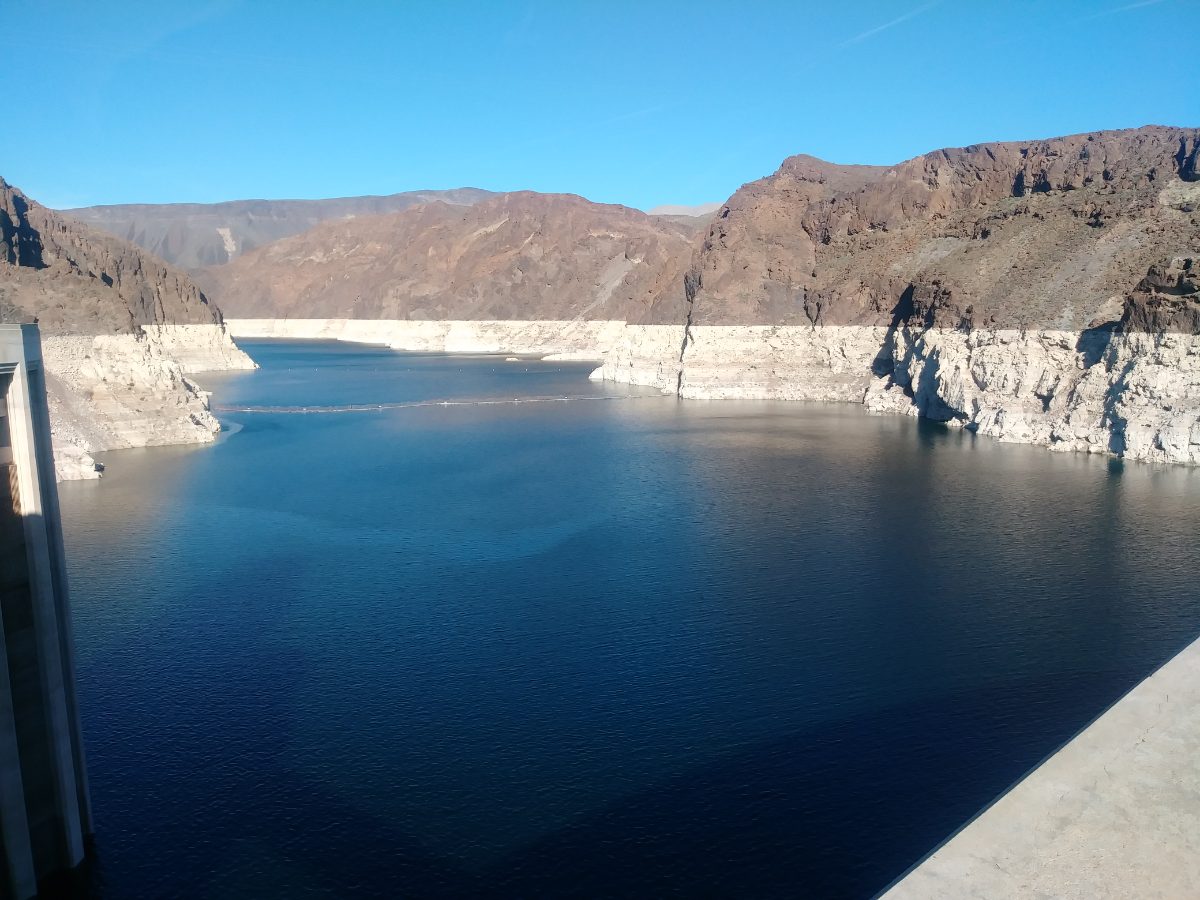
Hoover Dam changed the American Southwest. It helped control the Colorado River, created Lake Mead, generated hydroelectric power, and supported growth in parts of Nevada, Arizona, and California (Encyclopaedia Britannica, 2026). But the dam also invites a larger question: how should society remember major achievements?
It is possible to admire Hoover Dam as an engineering wonder while also recognizing the human cost behind it. Doing both gives the landmark a fuller and more honest meaning.
The Takeaway
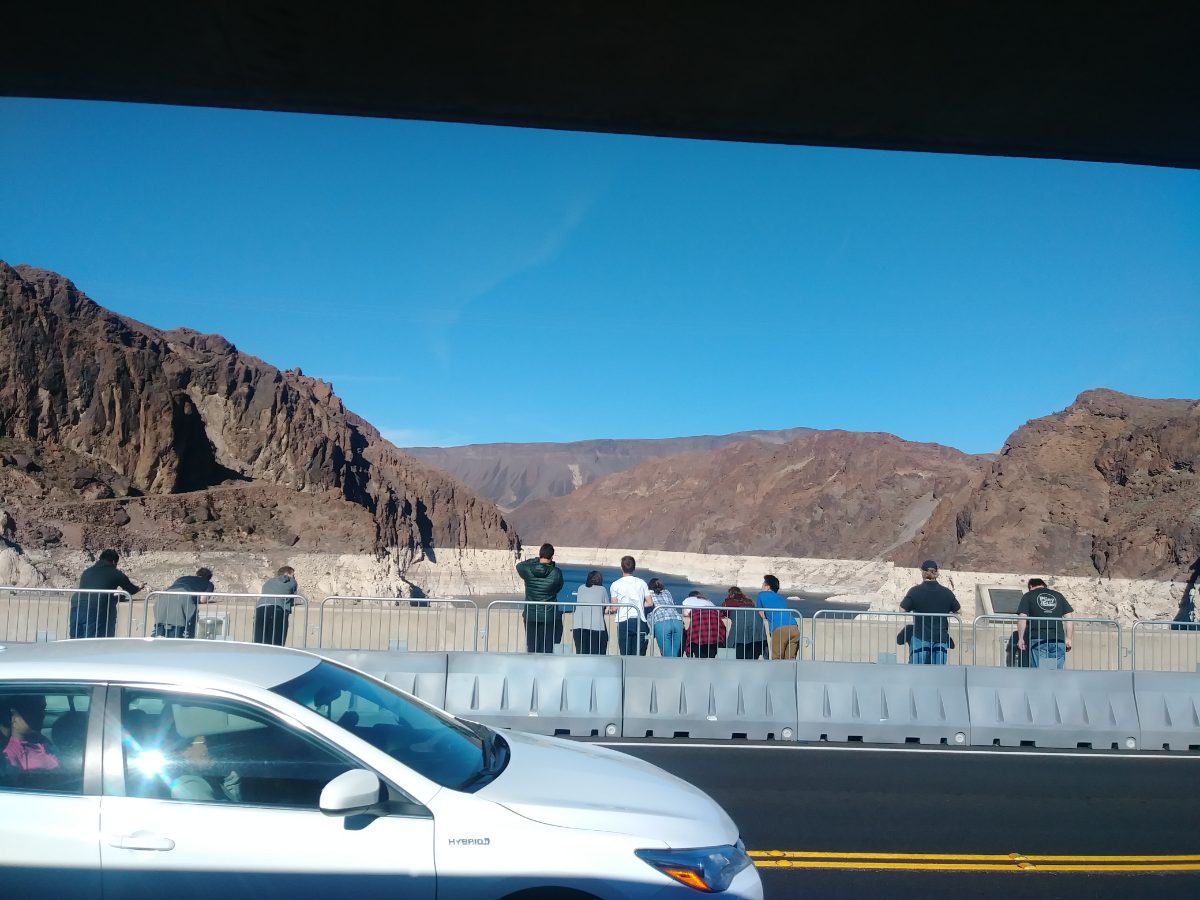
Hoover Dam stands as one of America’s most remarkable public works projects. Its height, scale, and endurance continue to draw visitors from around the world.
Yet beneath its reputation as an engineering marvel is a deeper story of labor, hardship, danger, and loss. The dam represents what people were able to build during a time of national struggle, but it also reminds us that progress is often carried on the backs of workers whose names are not always remembered; Hoover Dam is not only a monument to engineering, it is a monument to the people who built it.
References
Encyclopaedia Britannica. (2026). Hoover Dam. Britannica describes Hoover Dam’s location, purpose, construction period, height, length, concrete volume, and role in forming Lake Mead and generating hydroelectric power. https://www.britannica.com/topic/Hoover-Dam
Encyclopaedia Britannica. (n.d.). Boulder City. Britannica notes that Boulder City was established in 1931 by the federal government and housed more than 4,000 workers during Hoover Dam construction. https://www.britannica.com/place/Boulder-City
U.S. Bureau of Reclamation. (n.d.). Fatalities at Hoover Dam. The Bureau explains Hoover Dam construction fatalities and clarifies that no workers are buried in the dam’s concrete. https://www.britannica.com/topic/Hoover-Dam
