The Facts
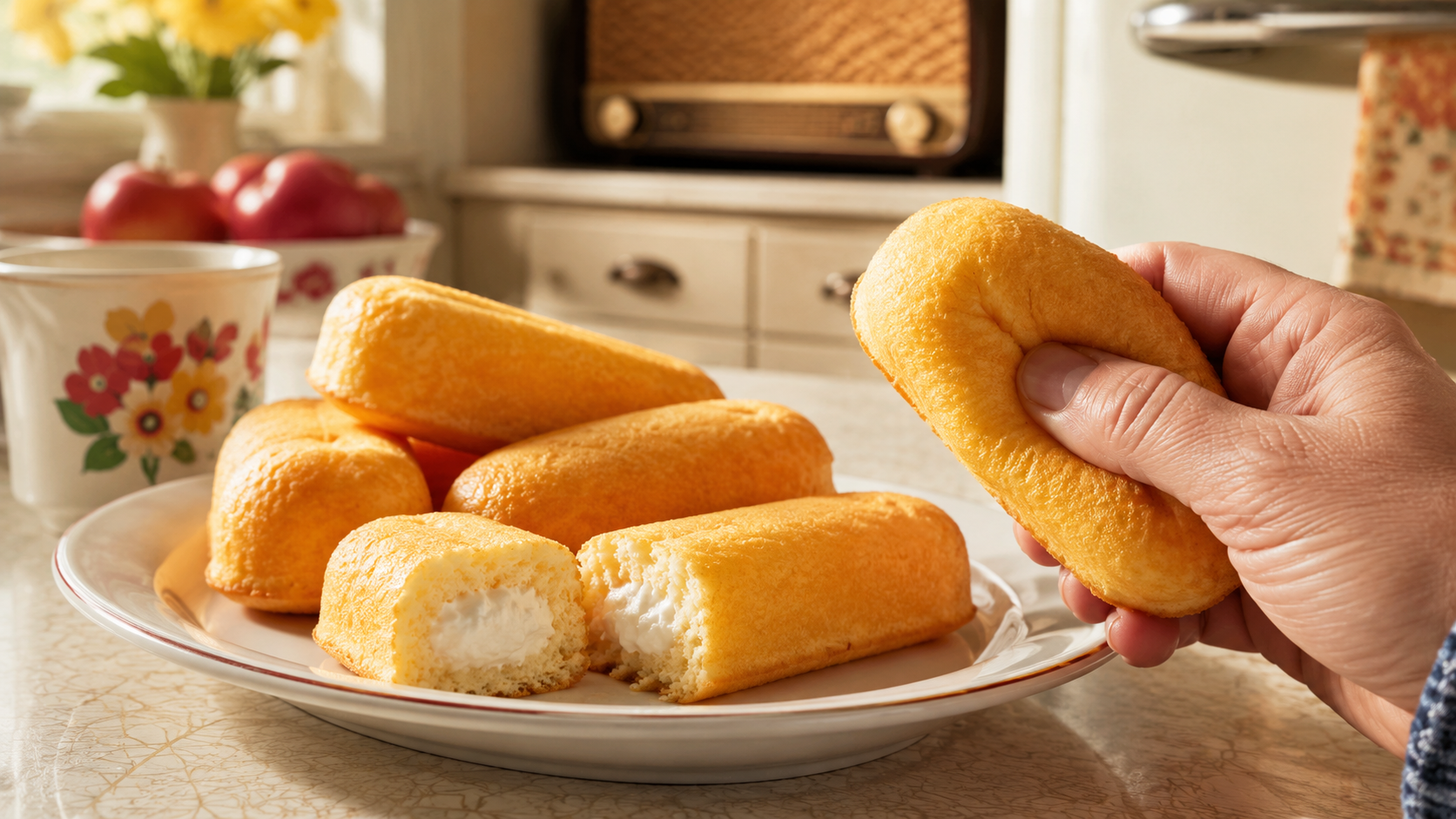
Twinkies are one of the most recognizable snack cakes in American food culture. The golden sponge cake with cream filling has appeared in lunchboxes, convenience stores, pop culture, and plenty of personal debates over whether it is delicious, strange, nostalgic, or simply too sweet. However, not everyone is a fan. Selena, who is a 29-year-old resident of San Antonio, states, “I don’t like Twinkies. I can’t stand them.” Selena, who is an employee at a local retail store. Describes her annoyance with the soft pastry as bittersweet. “I mean, I see a Twinkie, and I just want to squish it in my hands and throw it.” According to Selena, her dislike began when she was about 10 years old. “It’s the texture, I think,” she said. “I can’t stand it.” But for some people, that soft, spongy texture is part of the appeal. For others, it is exactly how Selena views a Twinkie.
The Snack Story
The Twinkie was created in 1930 by James Alexander Dewar, who worked for the Continental Baking Company. According to historical accounts, Dewar developed the snack cake as a way to use bakery equipment that sat idle when strawberry shortcake was out of season (Boston.com, 2012; HowStuffWorks, n.d.).
The original Twinkies were filled with banana cream, not the vanilla-style filling most people recognize today. During World War II, banana shortages led the company to switch from banana filling to vanilla cream, and that version became the standard flavor for generations of consumers (The Spruce Eats, 2012; HowStuffWorks, n.d.). The name “Twinkie” is widely reported to have been inspired by a billboard Dewar saw for “Twinkle Toe Shoes” while traveling near St. Louis. The name was shortened, and the snack eventually became one of the most familiar packaged treats in the country (Boston.com, 2012; The Spruce Eats, 2012).
Over time, Twinkies became more than a snack. They became a symbol of American convenience food: sweet, inexpensive, easy to find, and wrapped in a kind of edible nostalgia.
Our Perspective
The Twinkie is one of those foods that seems to divide people in a very specific way. Some see it as a bite of childhood. One taste can bring back memories of school lunches, corner stores, road trips, or after-school snacks. Others see it and immediately think of sugar, texture, and a snack cake that feels like it belongs to another era.
Both reactions make sense. That is part of what makes the Twinkie interesting. It is not just about flavor. It is about memory, texture, habit, and personal taste. A food does not have to be gourmet to become meaningful. Sometimes it only has to be familiar. At the same time, Selena’s reaction proves something else: nostalgia does not work on everyone. For every person who sees a Twinkie and smiles, someone else may see one and want absolutely nothing to do with it.
Why It Matters
Snack foods like Twinkies carry a strange kind of cultural weight. They are small, inexpensive, and easy to overlook, but they often stay connected to people’s memories for decades. Twinkies have also been surrounded by myths, especially about how long they last. Despite jokes that Twinkies can survive forever, food writers and explainers have noted that the snack has a real shelf life and does not last indefinitely (The Spruce Eats, 2012). The brand has also survived major business changes. In 2023, The J.M. Smucker Co. completed its acquisition of Hostess Brands, a deal that included Twinkies and other well-known snack products such as Donettes, CupCakes, Ding Dongs, Zingers, HoHo's, and others (The J.M. Smucker Co., 2023). That kind of staying power says something about how strongly certain foods remain tied to American consumer culture. Even when people joke about them, criticize them, or question how long they last, Twinkies still manage to remain part of the conversation.
The Takeaway
Twinkies may not be loved by everyone, but they are hard to ignore. For some, they are a soft, sweet reminder of childhood. For others, they are a texture nightmare wrapped in plastic. Either way, the snack cake has earned its place as one of America’s most recognizable treats. So, did the Twinkie shrink? How long is it really good for? And why do people keep coming back to it? Those questions may continue, but one thing is clear: whether people love them, hate them, or threaten to squish them in frustration, Twinkies are still here. And somehow, that feels exactly right.
Sources:
Boston.com. (2012). The history of the Twinkie. This source summarizes Twinkies’ 1930 invention, James Dewar’s role, the “Twinkle Toe Shoes” name story, and the World War II banana-to-vanilla filling change.
HowStuffWorks. (n.d.). How Twinkies work. This source explains the use of idle bakery equipment, Dewar’s development of the snack cake, the original banana filling, and the later switch to vanilla.
The J.M. Smucker Co. (2023). The J.M. Smucker Co. completes the acquisition of Hostess Brands. This official company release confirms Smucker’s acquisition of Hostess Brands and lists Twinkies among the acquired snack brands.
The Spruce Eats. (2012). The history of Twinkies. This source discusses Twinkies’ origin, banana filling, World War II flavor change, and the “Twinkle Toe Shoes” naming story.
The Spruce Eats. (2012). The Twinkie myth. This source addresses common myths about Twinkies, including claims about shelf life and ingredients.